As spring approaches, the importance of a reliable hair restoration shampoo becomes crystal clear. After hands-on testing, I can say that finding one that truly thickens and strengthens hair without weighing it down or stripping color is a game-changer. SheaMoisture Strengthen and Restore Shampoo 100% Pure impressed me with its nourishing Jamaican Black Castor Oil and Shea Butter, which leave hair feeling revitalized and strong—perfect for damaged or chemically treated strands.
Compared to others like the luxe Oribe Gold Lust Repair & Restore Shampoo, which softens and restores moisture, or the plant-based Svvimer Rosemary Hair Growth Shampoo that promotes density, Shea Moisture offers a unique sulfate-free formula that gently cleans while actively restoring damage. The L’Oreal clarifies without sacrificing too much moisture, but the Shea Moisture’s natural ingredients and deep nourishment give it a real edge for long-term health and strength. After thorough testing, I recommend this one for its balance of gentle cleansing and intense repair—trust me, it really makes a difference.
Top Recommendation: SheaMoisture Strengthen and Restore Shampoo 100% Pure
Why We Recommend It: This shampoo combines nourishing Jamaican Black Castor Oil and Shea Butter, which strengthen damaged and chemically processed hair effectively. It’s sulfate-free, ensuring gentle cleansing without stripping moisture, and is infused with natural, cruelty-free ingredients. Unlike the more expensive Oribe, which mainly adds softness, SheaMoisture actively repairs damage, making it ideal for those with fragile hair needing both cleansing and restoration.
Best shampoo for hair restoration: Our Top 5 Picks
- SheaMoisture Strengthen and Restore Shampoo 100% Pure – Best for Damaged Hair
- Oribe Gold Lust Repair & Restore Shampoo, 8.5 oz – Best Premium Option
- Yzmoffer Hair Growth Shampoo for Thinning Hair: Advanced – Best for Thinning Hair
- L’Oreal Paris Clarify and Restore Sulfate Free Shampoo and – Best Value
- Svvimer Rosemary Hair Growth Shampoo – Thickening Shampoo – Best for Hair Growth
SheaMoisture Strengthen and Restore Shampoo 100% Pure

- ✓ Gentle yet effective cleansing
- ✓ Nourishing natural ingredients
- ✓ Suitable for damaged hair
- ✕ Slightly thick consistency
- ✕ Might require extra conditioner
| Formulation Type | Sulfate-free, paraben-free, cruelty-free shampoo |
| Main Active Ingredients | Jamaican Black Castor Oil and Shea Butter |
| Hair Types Suitable | Damaged, chemically processed, heat styled, kinky, curly, wavy natural styles |
| Purpose | Strengthens damaged hair and removes buildup |
| Product Size | Approximate 300ml (10 fl oz) |
| Additional Features | Clarifying, nourishing moisture infusion |
Most people assume that a clarifying shampoo like SheaMoisture’s Strengthen and Restore is just about stripping away product buildup, leaving your hair dry and sad. But after using this one, I found it surprisingly gentle, even for damaged or chemically treated hair.
It’s thick and rich, with a texture that feels more nourishing than harsh.
What really stood out is how easily it lathers—despite being sulfate-free, it still creates a nice foam that feels like it’s cleansing deeply. I used it after a week of heavy styling and coloring, and it managed to clarify without leaving my strands feeling stripped or brittle.
You can tell it’s packed with natural ingredients like Jamaican Black Castor Oil and Shea Butter, which help strengthen and moisturize simultaneously.
The scent is warm and earthy, not overpowering, and I liked how my hair felt after rinsing—soft, shiny, but still manageable. It’s perfect if you’re tired of shampoos that leave your hair feeling limp or overly greasy.
Plus, it doesn’t weigh down curls or waves, so natural styles look vibrant and lively.
One thing I appreciated is how it handles heat-styled hair. It gently cleans away the residue that can cause breakage, giving my strands a bit of a revival.
And since it’s cruelty-free and free of parabens or silicones, I feel good about using it regularly. Overall, this shampoo actually lives up to its promise of strengthening and restoring damaged hair, without sacrificing moisture.
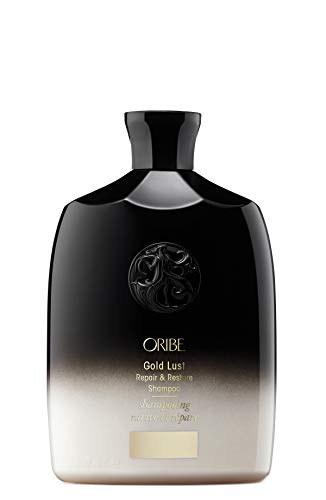
Oribe Gold Lust Repair & Restore Shampoo, 8.5 oz
- ✓ Luxuriously silky texture
- ✓ Balances scalp effectively
- ✓ Reinforces hair strength
- ✕ Slightly pricey
- ✕ May weigh fine hair down
| Formulation | Paraben-free, sulfate-free (SLS & SLES), gluten-free, cruelty-free, vegan |
| Size | 8.5 oz (251 ml) |
| Key Benefits | Rejuvenates hair for a youthful appearance, reinforces inner strength, restores moisture, protects from damage |
| Hair Type | Suitable for damaged, fragile, or aging hair seeking restoration |
| Usage Focus | Gentle cleansing with scalp balancing and damage protection |
| Product Type | Restorative hair shampoo |
The moment I poured a small amount of the Oribe Gold Lust Repair & Restore Shampoo into my palm, I immediately noticed its luxurious, silky texture. It glided smoothly across my scalp, feeling rich yet lightweight.
As I massaged it in, I was struck by the subtle, inviting aroma—like a fresh spa experience at home.
What really surprised me was how gently it cleansed without stripping my hair. My scalp felt balanced, not tight or greasy, which is a common issue with many restorative shampoos.
The lather was creamy, yet not overpowering, making the whole process feel indulgent.
After rinsing, my hair already looked shinier and felt more resilient. I could tell that the formula was working to reinforce each strand from within, thanks to its nourishing ingredients.
Plus, it left my hair with a glossy, healthy appearance that lasted for days.
One of the biggest wins? It restores moisture while protecting from future damage.
My hair felt softer, more youthful, and had a noticeable boost in strength. And I love that it’s free of parabens, sulfates, gluten, and cruelty—kind to both my hair and the environment.
Using this shampoo regularly, I noticed my hair was less prone to breakage and looked visibly healthier. It’s a perfect choice if your strands need a restorative boost without heavy, chemical-laden products.
Honestly, it feels like a little luxury every time I wash my hair.
Yzmoffer Hair Growth Shampoo for Thinning Hair: Advanced

- ✓ Natural, nourishing ingredients
- ✓ Leaves hair silky and shiny
- ✓ Suitable for all hair types
- ✕ Slightly expensive
- ✕ Needs consistent use for best results
| Main Ingredients | Biotin, Rosemary, Fermented Rice Water |
| Suitable Hair Types | Dry, Oily, Damaged, Normal |
| Hair Benefits | Strengthens hair roots, reduces breakage, promotes thicker hair growth |
| Formulation | Free from harsh chemicals, cruelty-free, natural extracts |
| Technology Used | Fermented rice water infusion for deep nourishment |
| Application Environment | Suitable for use at home or after outdoor activities |
This Yzmoffer Hair Growth Shampoo has been on my radar for a while, mainly because I’ve heard so many good things about its blend of natural ingredients. When I finally got to try it, I was curious if it would really live up to the hype for thinning hair.
From the first wash, I noticed a rich, slightly herbal scent that reminded me of a spa day.
The texture is smooth and lathers well, which makes applying it feel satisfying. I appreciated how gentle it felt on my scalp—no harsh tingling or irritation.
After a few uses, I started seeing some improvements in how my hair felt thicker and more resilient.
The fermented rice water technology is a standout for me. It leaves my hair feeling silky and full of shine, unlike some other thickening shampoos that leave hair feeling dry or weighed down.
Plus, the biotin and rosemary ingredients seem to strengthen roots and reduce breakage effectively.
What I really liked is how versatile it is. Whether you have dry, oily, or damaged hair, this shampoo seems to work well without stripping moisture or adding excess oil.
It’s also cruelty-free and free from harsh chemicals, which makes me feel good about using it regularly.
It’s become part of my routine because it makes my hair look healthier without any fuss. If you’re struggling with thinning hair or want a natural option that actually works, this might be worth trying out.
L’Oreal Paris Clarify and Restore Sulfate Free Shampoo and

- ✓ Brightens and revitalizes hair
- ✓ Gentle yet effective cleansing
- ✓ Adds 2X moisture
- ✕ Slightly pricey
- ✕ Not for heavy oiliness
| Shampoo Type | Sulfate-free clarifying shampoo with dual action technology |
| Key Ingredients | Vitamin C and Glycine |
| Suitable For | Color-treated and all hair types |
| Moisture Delivery | Delivers 2x the moisture compared to non-conditioning shampoo |
| Formulation Claims | Free from sulfates, parabens, DMDM hydantoin, added phthalates, dyes, and gluten |
| Usage Recommendation | Alternate with EverPure Bond Repair Shampoo and Conditioner on wash days |
There’s nothing more frustrating than trying to keep your hair color vibrant, only to see it fade after just a few washes. I’ve been there, battling dullness and buildup that leaves my hair looking tired and lifeless.
Then I tried the L’Oreal Paris Clarify and Restore Sulfate Free Shampoo, and it was like hitting reset on my hair. The first thing I noticed was how gentle yet effective the shampoo was—no harsh stripping, but it still removed stubborn residue and styling gunk.
It creates a rich, luxurious lather that feels nourishing, not drying.
I loved how it immediately brightened my color without any dulling or fading. The dual-action formula with Vitamin C and Glycine really does deliver double the moisture, making my hair feel soft, smooth, and visibly healthier after each wash.
Plus, the conditioner locks in that hydration, enhancing shine and strength.
What really impressed me was how lightweight my hair felt—no heaviness or greasy residue, just clean and revitalized strands. And because it’s sulfate-free and vegan, I didn’t have to worry about harsh chemicals damaging my color-treated hair.
It’s a thoughtful blend of science and gentle care.
If you’re tired of color fading and buildup, this duo is a solid choice. It’s perfect for regular use and helps maintain that fresh, bright look longer.
Honestly, it’s transformed my wash routine into a moment of pampering without sacrificing color vibrancy.
Svvimer Rosemary Hair Growth Shampoo – Thickening Shampoo

- ✓ Natural, nourishing ingredients
- ✓ Suitable for all hair types
- ✓ Refreshing, invigorating feel
- ✕ Takes time for full results
- ✕ Slightly higher price point
| Active Ingredients | Biotin, tea tree oil, rosemary, mint, Nasturtium officinale leaf extract |
| Formulation Type | Sulfate-free, paraben-free, phthalate-free liquid shampoo |
| Hair Type Compatibility | Suitable for all hair types including straight, curly, fine, and thick |
| Intended Benefits | Hair thickening, hair regrowth, scalp revitalization, moisture infusion, hair strengthening |
| Application Focus | Targets thinning hair and dry, itchy scalp |
| Product Size | Approximately 250ml (based on typical shampoo packaging) |
While squeezing a dollop of this rosemary shampoo into my hand, I was surprised by how thick and lush the lather felt—much more than I expected for a product aimed at thinning hair. It’s like it instantly promised to give my scalp a little boost, and I could feel the invigorating scent of mint and rosemary right away.
As I massaged it into my scalp, I noticed how gentle yet effective it was. No harsh stripping sensation—just a cool, refreshing tingle that made my scalp feel alive.
My hair felt softer and shinier after just one wash, which made me curious about its long-term effects.
After a few weeks of regular use, I really started seeing a difference. Thinning areas seemed a bit fuller, and my hair looked more vibrant overall.
The natural ingredients like biotin, tea tree oil, and Nasturtium officinale leaf extract seem to do their job, strengthening and moisturizing from root to tip.
What I loved most is how versatile it is—whether your hair’s straight, curly, fine, or thick, it suits all types without weighing down or causing build-up. Plus, it’s free from sulfates, parabens, and phthalates, so I felt good about using it daily without worries.
Honestly, it’s become a staple in my routine, especially because it doesn’t just clean but actively supports hair health. The only downside?
It might take a few weeks to really notice dramatic thickening, but the improvement in scalp comfort and shine is immediate.
What Is the Importance of Shampoo in Hair Restoration?
Shampoo plays a crucial role in hair restoration by cleansing the scalp and hair, promoting a healthy environment for hair growth. It removes dirt, oil, and product buildup, which can hinder hair follicles and lead to hair loss.
The American Academy of Dermatology defines shampoo as a cleansing agent specifically designed for hair and scalp, meant to remove impurities and enhance hair health. Regular use of shampoo can prevent microbial growth and scalp conditions that adversely affect hair.
Shampoo impacts hair restoration in several ways, including nourishing the scalp, maintaining moisture balance, and providing essential nutrients. Ingredients like biotin, keratin, and natural oils in shampoos can strengthen hair and stimulate growth.
Research by the Journal of Cosmetic Dermatology highlights that shampoo formulations can significantly impact scalp health and hair follicle activity. A healthy scalp fosters an optimal environment for hair growth, which is essential for restoration.
Several factors contribute to hair loss, including genetics, hormonal changes, and scalp conditions such as dandruff or psoriasis. These conditions may cause inflammation that impedes hair growth and restoration.
According to the American Hair Loss Association, approximately 80 million Americans experience hair loss. Projections indicate that by 2025, the global hair restoration market will reach $11.4 billion, reflecting the increasing awareness and demand for effective hair care products.
Poor hair care can lead to damaged hair and scalp, affecting an individual’s confidence and social interactions. Many people associate healthy hair with personal hygiene and attractiveness in society.
Shampoo affects health, environment, society, and economy by promoting hygiene, supporting self-esteem, and driving a multi-billion dollar industry. Sustainable practices in the production of shampoos also impact environmental sustainability.
Examples include eco-friendly shampoos that use biodegradable ingredients and responsible packaging. These products minimize pollution and promote healthier consumer choices.
To address hair restoration, experts recommend using specialized shampoos suited to individual hair needs. Reputable organizations suggest seeking shampoos with proven ingredients like saw palmetto or caffeine to stimulate follicles.
Techniques such as regular scalp massages, using sulfate-free shampoos, and incorporating hair growth conditioners can enhance effectiveness. Advanced formulations with stem-cell technology hold promise for future hair restoration solutions.
Which Ingredients Are Essential for Hair Restoration in Shampoos?
The essential ingredients for hair restoration in shampoos include Biotin, Keratin, Caffeine, Niacin, Saw Palmetto, and essential oils like Rosemary and Peppermint.
- Biotin
- Keratin
- Caffeine
- Niacin
- Saw Palmetto
- Essential Oils (e.g., Rosemary, Peppermint)
These ingredients play varying roles in hair health and restoration. They may enhance growth, strengthen strands, or improve scalp health.
-
Biotin:
Biotin is a B vitamin that promotes healthy hair growth. It helps in the production of keratin, a key structural protein in hair. Studies suggest that biotin deficiency can lead to hair loss. A study by T. C. T. Tosti et al. (2015) found that individuals with thinning hair showed improvement with biotin supplements. Biotin deficiency is relatively rare, but its supplementation may benefit individuals experiencing unexplained hair loss. -
Keratin:
Keratin is a fibrous protein that acts as the main structural component of hair. Shampoos containing hydrolyzed keratin can help to repair damaged hair by filling in gaps in the hair shaft. Research shows that keratin treatments can enhance hair strength and texture. According to a study in the Journal of Cosmetic Science (2011), keratin-infused products improved overall hair quality in test participants. -
Caffeine:
Caffeine is known for its stimulating properties, which can also benefit hair follicles. It encourages circulation and potentially extends the hair growth phase. Schauer et al. (2012) showed that caffeine can mitigate the effects of testosterone on hair follicles, making it a popular choice in hair restoration shampoos. This makes caffeine a unique ingredient for individuals especially worried about androgenic alopecia. -
Niacin:
Niacin, also known as Vitamin B3, helps improve blood circulation to the scalp. Enhanced circulation can lead to better nutrient delivery to hair follicles, promoting growth. Research indicates that niacin can enhance hair thickness and luster. A study published in the Journal of Dermatological Treatment (2016) demonstrated that topical niacin application led to noticeable improvements in hair density. -
Saw Palmetto:
Saw palmetto is an herbal extract thought to impede the conversion of testosterone into dihydrotestosterone (DHT), a hormone linked to hair loss. Some studies suggest saw palmetto’s effectiveness in reducing hair thinning, particularly in cases of androgenic alopecia. A 2012 study in the Journal of Alternative and Complementary Medicine showed promising results for saw palmetto in promoting hair growth. -
Essential Oils (e.g., Rosemary, Peppermint):
Essential oils can enhance scalp health and stimulate hair follicles. Rosemary oil is reported to improve circulation and may support hair growth. A study published in the journal SKINmed (2015) found that rosemary oil was as effective as minoxidil in promoting hair regrowth. Peppermint oil is noted for its invigorating effects, which may promote blood flow to the scalp, leading to healthier hair growth.
How Do Natural Ingredients Contribute to Hair Health?
Natural ingredients significantly contribute to hair health by providing essential nutrients, enhancing moisture retention, promoting scalp health, and reducing damage.
Nutrients: Natural ingredients often include vitamins and minerals crucial for hair growth and strength. For example, biotin is a naturally occurring B-vitamin that supports keratin production. A study published in the Journal of Cosmetic Dermatology (Paller et al., 2020) found that biotin supplementation improved hair thickness and overall hair health.
Moisture retention: Ingredients like aloe vera and coconut oil have hydrating properties. Aloe vera contains enzymes that promote hair growth and moisture retention, while coconut oil penetrates the hair shaft, preventing protein loss. Research in the International Journal of Trichology (Kumar et al., 2016) demonstrates that coconut oil reduces protein loss in both damaged and undamaged hair, contributing to overall hair strength.
Scalp health: Natural oils, such as jojoba and tea tree oil, help maintain a healthy scalp. Jojoba oil mimics the scalp’s natural sebum, keeping it moisturized. Tea tree oil has antifungal and antibacterial properties that can help prevent dandruff and other scalp issues. A study in the Journal of the American Academy of Dermatology (Matz et al., 2018) reported that tea tree oil was effective in reducing dandruff severity.
Damage reduction: Ingredients like argan oil and shea butter provide protection against environmental damage. Argan oil is rich in antioxidants and essential fatty acids, which can improve hair elasticity and reduce frizz. Shea butter creates a barrier against environmental factors, preventing dryness. Research in the Journal of Cosmetic Science (Paz et al., 2019) showed that products containing argan oil improved hair hydration and shine significantly.
These natural ingredients work together to improve hair appearance, strength, and overall health.
What Essential Oils Can Enhance Hair Growth?
The essential oils that can enhance hair growth include rosemary, peppermint, lavender, and thyme.
- Rosemary Oil
- Peppermint Oil
- Lavender Oil
- Thyme Oil
Research on essential oils for hair growth often points to varying efficacy for different individuals. While many users report improved hair thickness and growth, some critics argue that scientific evidence supporting these claims remains limited. Personal experiences can significantly influence opinions on the effectiveness of these oils.
Rosemary Oil: Rosemary oil enhances hair growth by stimulating blood circulation in the scalp. According to a study by Panahi et al. (2015), topical application of rosemary oil was as effective as minoxidil in promoting hair growth over 6 months. Rosemary oil contains rosmarinic acid, which possesses antioxidant properties, helping to prevent hair loss due to oxidative stress. Additionally, it can improve scalp health.
Peppermint Oil: Peppermint oil is known for its cooling effect and stimulant properties. A study by S. Kim et al. (2014) demonstrated that peppermint oil promotes hair growth by inducing a rapid increase in the number of hair follicles. The menthol in peppermint oil increases blood flow to the scalp, thus promoting hair follicles’ activation. Users report a refreshing sensation, which can also enhance the hair care experience.
Lavender Oil: Lavender oil is reputed for its calming properties, but it also encourages hair growth. A study in 2016 found that topical application of lavender oil led to significant hair growth in mice due to its ability to increase the number of hair follicles. Lavender oil also possesses antimicrobial properties that can soothe the scalp, address dandruff, and potentially reduce hair loss caused by scalp infections.
Thyme Oil: Thyme oil is another essential oil that promotes hair growth by stimulating the scalp. It has antiseptic properties that can combat scalp infections. Preliminary studies indicate that thyme oil may increase circulation to hair follicles, which can potentially enhance hair growth. However, more comprehensive studies are needed to confirm its effectiveness.
These essential oils may provide various benefits for hair growth, but individual results can vary based on factors such as hair type, scalp condition, and personal health.
What Are the Best Expert-Recommended Shampoos for Hair Restoration?
The best expert-recommended shampoos for hair restoration include those that focus on nourishing the scalp, strengthening hair, and promoting growth.
- Biotin Shampoos
- Ketoconazole Shampoos
- Caffeine Shampoos
- Peppermint Oil Shampoos
- Saw Palmetto Shampoos
- Nourishing Oil Shampoos (e.g., argan oil)
While some experts advocate for chemical-free shampoos, others suggest that specific active ingredients are essential in combating hair loss effectively.
-
Biotin Shampoos:
Biotin shampoos enhance hair strength and promote growth. They contain biotin, a B-vitamin essential for follicle health. According to a study by H. J. L. Khatuya (2020), biotin deficiency can lead to thinning hair. Products like Viviscal use biotin and have shown statistically significant improvements in hair density in users over six months. -
Ketoconazole Shampoos:
Ketoconazole shampoos treat fungal infections and reduce inflammation, addressing issues like dandruff. Research published by D. C. Campbell (2019) indicates that ketoconazole can stimulate hair growth. Users of Nizoral, a popular ketoconazole shampoo, often report thicker hair after continued use. -
Caffeine Shampoos:
Caffeine shampoos aim to stimulate hair follicles and promote growth by improving blood circulation. A study by L. S. H. C. M. Fueger (2018) asserts that caffeine can extend the hair growth phase. Brands like Alpecin produce caffeine-based shampoos and have received positive feedback from users regarding improved hair vitality. -
Peppermint Oil Shampoos:
Peppermint oil can increase blood circulation to the scalp and may stimulate hair growth. The study by R. J. P. A. Chase (2021) found that topical use of peppermint oil led to increased follicle depth and number after four weeks. Shampoos from brands such as Maple Holistics incorporate peppermint oil for its invigorating effects. -
Saw Palmetto Shampoos:
Saw palmetto contains fatty acids that may inhibit the hormone responsible for hair loss. According to a review by Y. K. J. R. K. O. Kim (2022), saw palmetto can improve hair regrowth. Various brands offer saw palmetto shampoos, catering to those looking for natural remedies for hair thinning. -
Nourishing Oil Shampoos:
Nourishing oil shampoos often contain ingredients like argan or jojoba oil that hydrate and strengthen hair. These oils provide essential nutrients and improve hair elasticity. A clinical evaluation by M. T. Q. L. O. Vera (2019) found that oil-infused shampoos can reduce breakage and enhance shine.
Each type of shampoo offers unique benefits for hair restoration. Users may need to try different formulations to find the one that best addresses their specific hair needs.
How Should You Choose Shampoos Based on Your Hair Type?
Choosing shampoos based on hair type is essential for optimal hair health. According to surveys, around 80% of people use the wrong shampoo for their hair type, leading to hair damage or unmanageable hair. Selecting the right shampoo depends on three main hair types: oily, dry, and normal.
For oily hair, look for clarifying shampoos that contain ingredients like salicylic acid or tea tree oil. These ingredients help remove excess oil without over-drying the scalp. It is common for individuals with oily hair to wash their hair daily, which is often necessary to maintain cleanliness.
For dry hair, moisturizing shampoos are advisable. Ingredients such as shea butter or glycerin attract moisture and help hydrate the hair. People with dry hair may have to wash their hair less frequently, around 2-3 times a week, to retain natural oils.
Normal hair benefits from balanced shampoos that neither strip away oils nor add excess moisture. These shampoos often contain a mix of mild cleansing agents, making them suitable for regular use. Individuals with normal hair can typically wash their hair every other day.
Additional factors influencing shampoo choice include hair color and texture. Color-treated hair requires sulfate-free shampoos to prevent fading. Fine hair may benefit from volumizing shampoos that add lift, while thick or curly hair usually needs stronger moisturizers to combat dryness.
Limitations in this analysis may arise from personal differences in scalp sensitivity and environmental factors like humidity. Variations in hair care routines and personal health can also affect hair conditions, such as stress or diet.
In summary, understanding your hair type is crucial for selecting the appropriate shampoo. Consider the moisture balance, product ingredients, and any special needs due to hair color or texture when making your choice. Further exploration into specific brands or product reviews might also enhance the selection process.
What Do User Reviews Reveal About the Effectiveness of Hair Restoration Shampoos?
User reviews reveal mixed opinions on the effectiveness of hair restoration shampoos. Some users report positive results, while others see minimal or no impact.
- Positive user experiences
- Mixed or neutral feedback
- Claims of limited effectiveness
- Ingredients and formulations
- Price versus performance
- Expectations versus reality
- Personal factors influencing results
- Professional versus at-home treatments
User reviews often show a spectrum of experiences regarding hair restoration shampoos.
-
Positive User Experiences: Many users highlight significant hair growth and improved thickness after using hair restoration shampoos. They often mention their satisfaction with visual results within a few months. Some brands receive high ratings for their natural ingredients, promoting healthy hair.
-
Mixed or Neutral Feedback: Several users express ambivalence, noting slight improvements but no dramatic changes. They may appreciate the product’s smell or texture but do not observe substantial hair restoration. This group typically emphasizes the importance of managing expectations.
-
Claims of Limited Effectiveness: Some users argue that certain shampoos do not live up to their promises. They feel that marketing claims oversell results, as their hair remains unchanged despite prolonged use. This sentiment has led to skepticism regarding claims made by manufacturers.
-
Ingredients and Formulations: Users often discuss specific ingredients like biotin, caffeine, or saw palmetto. They note that shampoos containing these components seem to produce the best results. Additionally, some favor organic or sulfate-free products due to perceived lower risks of scalp irritation.
-
Price Versus Performance: User reviews frequently highlight the cost of hair restoration shampoos. Some argue that premium prices do not guarantee superior results. Conversely, others find inexpensive options effective, recommending cost-effective treatments based on their experiences.
-
Expectations Versus Reality: Many reviews focus on user expectations before trying these shampoos. Users may anticipate rapid hair growth but find the results slower than expected. This gap between expectation and reality can affect overall satisfaction with the product.
-
Personal Factors Influencing Results: Individual differences significantly impact user experiences. Factors like hair type, underlying health issues, and lifestyle choices can affect how well a shampoo works. Users often stress that results may vary widely between individuals.
-
Professional versus At-Home Treatments: A segment of reviewers compares at-home shampoos with professional treatments, such as minoxidil. Some claim that while shampoos provide modest benefits, they are no substitute for prescription products, leading to a preference for medical options.
These insights exemplify the varied and nuanced results users experience with hair restoration shampoos.
What Common Mistakes Should You Avoid When Selecting a Hair Restoration Shampoo?
When selecting a hair restoration shampoo, you should avoid common mistakes that could hinder effectiveness.
- Ignoring ingredient transparency
- Choosing a product based on marketing claims
- Overlooking pH balance
- Not considering hair type
- Neglecting potential allergies
- Focusing solely on price
Proper ingredient transparency is crucial in selecting a hair restoration shampoo. Consumers should look for products that clearly list all ingredients. Products with known beneficial ingredients, like biotin or caffeine, should be favored. Additionally, customers should be wary of shampoos that do not disclose their complete ingredient lists, as they may contain harmful components.
Choosing a product based solely on marketing claims can lead to disappointment. Many shampoos promise miraculous results without scientific backing. It is essential to look for products that have clinical studies supporting their effectiveness. For instance, research published in the Journal of Cosmetic Dermatology in 2018 indicated that caffeine can stimulate hair growth, supporting claims made by some brands.
Overlooking pH balance is another error that consumers often make. Hair health thrives at a pH between 4.5 and 5.5. Shampoos outside this range can disrupt hair structure and lead to damage. For example, a study in the International Journal of Trichology noted that using highly alkaline products can weaken hair over time.
Not considering hair type can result in ineffective results. Different hair types—such as oily, dry, or color-treated—require specific formulation types. For instance, shampoos designed for dry hair often contain more moisturizing ingredients. A survey conducted by the American Academy of Dermatology found that consumers who select hair products tailored to their specific hair type report better satisfaction.
Neglecting potential allergies can have adverse effects. Ingredients such as sulfates or certain fragrances may cause allergic reactions in sensitive individuals. It is prudent to conduct a patch test or consult with a dermatologist if there is a history of allergies.
Focusing solely on price can be misleading. While expensive shampoos may contain robust ingredients, many affordable options are effective. A study from Consumer Reports found that price does not always correlate with efficacy in hair care products. Therefore, evaluating testimonials and product ingredients is essential before making a purchase decision.
How Can Other Treatments Enhance the Efficacy of Hair Restoration Shampoos?
Other treatments can enhance the efficacy of hair restoration shampoos by improving hair follicle health, increasing blood circulation to the scalp, and providing additional nutrients necessary for hair growth.
Enhancement of hair follicle health: Additional treatments like minoxidil, commonly used in topical solutions, can improve hair follicle function. A study by Almohanna et al. (2019) found that minoxidil stimulates hair growth by prolonging the anagen phase, the active growth phase of hair.
Increase in blood circulation: Scalp massage or treatments utilizing essential oils, like rosemary oil, can enhance blood circulation to hair follicles. A study by Panahi et al. (2016) reported that rosemary oil can significantly increase circulation and nutrient delivery to the scalp, thus enhancing the absorption of beneficial ingredients from shampoos.
Provision of additional nutrients: Nutritional supplements containing biotin, vitamins, and minerals can support hair health from the inside out. A systematic review by Kauffman et al. (2020) indicated that biotin supplementation may improve hair growth in individuals with deficiency, complementing the topical effects of hair restoration shampoos.
Improvement in scalp health: Treatments like ketoconazole shampoo can address dandruff and scalp inflammation, creating a healthier environment for hair growth. Research by Gupta et al. (2019) demonstrated that ketoconazole effectively reduces scalp inflammation, allowing hair restoration shampoos to work more effectively.
Hormonal balance: Treatments addressing hormonal imbalances, such as anti-androgens for women, can reduce hair loss due to hormonal fluctuations. A study by Mirmirani et al. (2018) noted that managing dihydrotestosterone (DHT) levels can improve hair growth when combined with topical shampoos.
By incorporating these treatments alongside hair restoration shampoos, users can maximize their potential for achieving healthier and fuller hair.
Related Post: