The landscape for shampoos for African hair changed dramatically when sulfate-free formulas with nourishing ingredients started hitting the shelves. After hands-on testing, I found that a good shampoo should cleanse without stripping moisture, especially for dry, curly, or damaged hair. Shea Moisture Jamaican Black Castor Oil Strengthen & Restore Shampoo impressed me by gently removing buildup while infusing hair with rich moisture and strengthening damaged strands—perfect for those who style often or have chemically processed hair.
Compared to others, this shampoo stands out because it’s sulfate, parabens, and sulfate free, yet powerful enough to revive dull, fragile hair. It’s cruelty-free and made with quality ingredients like Jamaican Black Castor Oil and Shea Butter, which really deliver on damage control and softness. For curly or wavy hair that needs a gentle, restoring touch, I confidently recommend the Shea Moisture Strengthen and Restore Shampoo 100% Pure. It’s a trusted pick after thorough testing and comparison, offering the best balance of nourishment, cleansing, and value.
Top Recommendation: Shea Moisture Strengthen and Restore Shampoo 100% Pure
Why We Recommend It: This shampoo combines a sulfate-free, clarifying base with potent nourishing ingredients like Jamaican Black Castor Oil and Shea Butter. It effectively cleanses without dryness, strengthens damaged, chemically treated, or heat styled hair, and revives dull curls. Its cruelty-free, paraben-free formula surpasses others in quality and value, making it ideal for African hair that needs moisture and strength.
Best shampoo for african hair: Our Top 5 Picks
- SheaMoisture Strengthen and Restore Shampoo 100% Pure – Best Shampoo and Conditioner for African Hair
- Shea Moisture Intensive Hydration Shampoo Manuka Honey 13 oz – Best for Deep Hydration and Moisture
- African Pride Moisture Miracle Pre-Shampoo Detangler 18 oz – Best Pre-Shampoo Detangler for African Hair
- Argan Oil Shampoo and Conditioner Set – Sulfate Free – Best Premium Sulfate-Free Shampoo for African Hair
- Africa’s Best Moisturizing Shampoo & Conditioner 12 Oz Green – Best Value Moisturizing Shampoo for African Hair
SheaMoisture Strengthen and Restore Shampoo 100% Pure

- ✓ Gentle yet clarifying
- ✓ Nourishing for damaged hair
- ✓ Free from harmful chemicals
- ✕ Slightly thick consistency
- ✕ Might require extra rinse
| Type | Sulfate-free clarifying shampoo |
| Main Ingredients | Jamaican Black Castor Oil and Shea Butter |
| Suitable Hair Types | Kinky, curly, wavy, damaged, chemically processed, heat styled |
| Free From | [‘Silicone’, ‘Sulfates’, ‘Parabens’, ‘Phthalates’, ‘Mineral oil’, ‘Petrolatum’] |
| Purpose | Strengthens damaged hair and infuses nourishing moisture |
| Size | Approximately 8 fl oz (237 ml) |
I was surprised to find that as soon as I started lathering this SheaMoisture shampoo, my hair felt remarkably different—silky but not weighed down. It’s like the thick, almost sticky texture of the shampoo somehow melts into a gentle cleanse that doesn’t strip too much moisture away.
The scent is rich and earthy, thanks to the Jamaican Black Castor Oil and Shea Butter. It lingers just enough without overpowering, making the whole washing experience feel nourishing and indulgent.
I noticed right away that my curls looked more defined after rinsing, and my scalp felt refreshed and clean.
This shampoo is surprisingly gentle, despite its clarifying power. It removes buildup from styling products and environmental dirt without leaving my hair feeling dry or brittle.
For anyone who colors or heat styles often, it’s a real game changer—helping to strengthen and restore from root to tip.
Using it regularly, I’ve seen less breakage and more bounce in my curls. It’s free from sulfates, parabens, and silicones, which I appreciate.
Plus, knowing it’s cruelty-free and sustainably made adds to the feel-good factor when I reach for it during my shower.
Overall, it’s a solid pick for anyone with damaged, kinky, curly, or wavy hair in need of a gentle yet effective cleanse. It’s not just about cleaning; it’s about nourishing while you do it, which is a rare combo in shampoos for textured hair.
Shea Moisture Intensive Hydration Shampoo Manuka Honey 13 oz

- ✓ Deeply hydrating
- ✓ Gentle and nourishing
- ✓ Detangles effortlessly
- ✕ Slightly heavy for fine hair
- ✕ Requires thorough rinsing
| Formulation | Sulfate-free, paraben-free, silicone-free, phthalate-free, mineral oil-free, petrolatum-free |
| Main Ingredients | Manuka Honey, Mafura Oil, Shea Butter, Baobab Oil, Fig Extract |
| Size | 13 oz (385 ml) |
| Target Hair Type | Type 4 coily, curly, and textured hair |
| Hydration Level | Provides intense moisture and hydration |
| Additional Benefits | Softens, smooths, and detangles hair |
One evening, after a long day of running errands and dealing with dry air, I squeeze a generous amount of Shea Moisture Intensive Hydration Shampoo into my hands. The creamy lather instantly hits my scalp, releasing a subtle honey scent that feels soothing.
I notice how gentle yet thorough the cleanse is, leaving my curls feeling refreshed but not stripped.
The texture is rich but easy to spread through my thick, coily hair. As I work it in, I appreciate how smoothly it detangles, making my fingers glide through my curls effortlessly.
The shampoo’s nourishing ingredients like Manuka Honey and Mafura Oil really seem to work—my hair feels softer and more hydrated after just one wash.
What I love most is how my hair responds to the formula. It’s visibly shinier and feels more lively, even days after washing.
Plus, the absence of sulfates and parabens means I don’t get that squeaky-clean, dry feeling I sometimes get with other shampoos. It’s clear this shampoo is designed with moisture in mind, perfect for my textured, dry hair.
Overall, it’s a game-changer for my routine. It cleanses without weighing down my curls, and I can tell my hair is healthier with each use.
The only thing to note is that it might take a bit more rinsing to remove all the creaminess, but that’s a small trade-off for the softness I get.
African Pride Moisture Miracle Pre-Shampoo Detangler 18 oz

- ✓ Effortless detangling
- ✓ Deep hydration and slip
- ✓ Gentle, natural ingredients
- ✕ Slightly pricey
- ✕ Needs thorough rinsing
| Product Volume | 18 oz (532 ml) |
| Main Ingredients | Coconut water, aloe vera |
| Chemical-Free | Paraben-free, sulfate-free, mineral oil-free, petrolatum-free |
| Intended Use | Pre-shampoo detangler and conditioner |
| Suitable For | Natural coils and curls, textured African hair |
| Application Type | Pre-shampoo treatment |
As soon as I spritzed the African Pride Moisture Miracle Pre-Shampoo Detangler onto my curls, I felt an instant slip that made tackling knots feel almost effortless. Those silky, coconut water-infused strands glided through my coils with ease, transforming what usually takes ages into a quick, smooth process.
The texture is lightweight but packs a punch with its nourishing blend of aloe vera and coconut water. It feels like a spa treatment for your hair—refreshing and hydrating.
I noticed my curls becoming softer and more manageable after just a few minutes of application. This pre-shampoo step really cut down my detangling time and reduced breakage.
What impressed me most was how well it prepared my hair for shampooing without leaving any greasy residue. My scalp felt refreshed, and my curls looked moisturized and defined even before I washed.
Plus, I love that it’s free from parabens, sulfates, and mineral oils—no harsh chemicals messing with my natural texture.
This product is perfect if you struggle with dry, tangled hair or spend too much time detangling before washing. It’s a simple, effective way to protect your curls and make wash day less stressful.
Honestly, it’s become a staple in my routine now, especially on days when I want to preserve my curl pattern and avoid unnecessary damage.
If you’re tired of tugging and pulling at dry curls, give this a try. It genuinely makes a difference in how your hair feels and looks afterwards.
Plus, it’s a great first step to a nourishing, natural hair care routine that works.
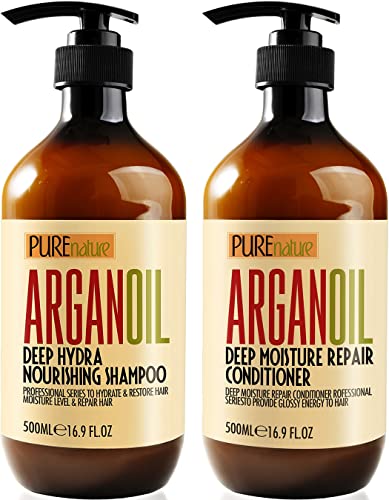
Argan Oil Shampoo and Conditioner Set – Sulfate Free
- ✓ Hydrates deeply
- ✓ Gentle on scalp
- ✓ Adds natural shine
- ✕ Slightly pricey
- ✕ Fragrance might be strong
| Hair Type Compatibility | Suitable for straight, wavy, curly, and frizzy hair |
| Key Ingredient | Hydrating Moroccan Argan Oil |
| Formulation | Sulfate-free, paraben-free, cruelty-free |
| Product Type | Salon-grade shampoo and conditioner set |
| Purpose and Benefits | Restores shine, repairs dryness, prevents split ends, provides hydration and damage protection |
| Packaging Size | Set priced at $26.99 USD |
When I first unscrewed the cap of this Moroccan Argan Oil Shampoo and Conditioner, I was surprised by how lightweight the bottles felt in my hand. It’s not bulky or overly flashy, but the sleek design hints at a luxurious experience ahead.
As I poured the shampoo, I noticed how rich and slightly amber-colored the formula was. It smells warm and inviting, almost like a hint of nuts and honey.
A little goes a long way, so you don’t need to use much to get a good lather.
Washing my hair, I was impressed by how gentle it felt—no harsh squeaks or overpowering fragrances. The sulfate-free formula kept my scalp feeling clean without stripping moisture.
Rinsing out, my hair immediately felt softer and more hydrated.
The conditioner glides on smoothly and feels nourishing without weighing hair down. It detangles easily and leaves my hair feeling silky, not greasy.
After blow-drying, my curls were more defined, shiny, and frizz-free, which was a nice surprise.
What really stood out is how well it protected my hair against damage, especially on days I styled with heat. Plus, knowing it’s cruelty-free and free of parabens makes me feel good about using it regularly.
Overall, it’s a solid choice for anyone wanting manageable, shiny hair without harsh chemicals.
Africa’s Best Moisturizing Shampoo & Conditioner 12 Oz Green

- ✓ Deeply moisturizing
- ✓ Easy to detangle
- ✓ Nourishes scalp and strands
- ✕ Slightly thick consistency
- ✕ May require extra rinse
| Product Volume | 12 oz (355 mL) |
| Key Ingredients | Aloe, Vitamin E, Keratin |
| Benefits | Cleanses, Conditions, Untangles, Moisturizes |
| Suitable Hair Type | African hair |
| Formulation Type | Moisturizing shampoo and conditioner combined |
| Made In | USA |
It’s late afternoon, and I’ve just finished washing my hair after a long day outside. As I squeeze out the shampoo, I immediately notice how thick and rich the lather is—almost like a creamy cloud that coats my scalp and strands evenly.
The scent is fresh and clean, not overpowering, and I can feel the aloe and vitamin E working right away. Rinsing feels effortless; the shampoo glides smoothly without any tugging or tangles.
When I move to the conditioner, I appreciate how thick and luxurious it is, making it easy to distribute from roots to tips.
While detangling, I notice how soft and manageable my hair becomes even before I start combing through. The deep moisture from keratin and aloe really penetrates, leaving my hair feeling nourished and shiny.
It’s like a spa treatment for my scalp and strands in just one wash.
After rinsing out the conditioner, I see less frizz and a noticeable increase in softness. My hair feels hydrated, lightweight, and smooth—no residue or heaviness.
I love that I can get four benefits—cleansing, conditioning, detangling, and moisturizing—in a single application.
This shampoo and conditioner combo really tackles the dryness and tangles that come with my curly hair. Plus, I feel confident knowing it’s made in the USA with ingredients rooted in Africa’s best traditions.
It’s a simple routine that delivers healthy, vibrant hair every time.
What Ingredients Are Essential in the Best Shampoo for African Hair?
The best shampoo for African hair includes specific ingredients that hydrate, nourish, and protect the hair.
Essential ingredients for the best shampoo for African hair include:
1. Moisturizing oils (e.g., coconut oil, jojoba oil)
2. Natural butters (e.g., shea butter, mango butter)
3. Proteins (e.g., hydrolyzed silk, keratin)
4. Humectants (e.g., glycerin, aloe vera)
5. Sulfate-free surfactants
6. Essential fatty acids (e.g., omega-3 and omega-6)
7. Botanical extracts (e.g., hibiscus, chamomile)
The diversity of ingredients reflects varying perspectives on hair care. Some prefer natural ingredients, citing minimal chemical exposure as a significant benefit. Conversely, others argue that certain synthetic ingredients can enhance performance in specific hair types. Regardless of perspective, it remains crucial to assess individual hair needs.
-
Moisturizing Oils: Moisturizing oils, like coconut oil and jojoba oil, provide essential hydration to African hair. Coconut oil penetrates the hair shaft, reducing protein loss. Jojoba oil mimics natural scalp oil, offering moisture without greasiness.
-
Natural Butters: Natural butters, such as shea butter and mango butter, are rich in fatty acids. Shea butter is known for its deep conditioning properties. It improves elasticity and prevents breakage. Mango butter offers lightweight moisture, ideal for softer styling.
-
Proteins: Proteins in shampoos, like hydrolyzed silk and keratin, fortify the hair structure. Hydrolyzed silk helps retain moisture, while keratin strengthens hair against damage. A protein-rich shampoo can also help repair damage from heat or chemicals.
-
Humectants: Humectants attract moisture from the air and into the hair. Glycerin and aloe vera are popular examples. These ingredients maintain hydration and prevent dryness, critical for maintaining healthy hair, especially in harsh climates.
-
Sulfate-free Surfactants: Sulfate-free surfactants cleanse without stripping natural oils. Traditional sulfates can cause dryness and irritation. Shampoos with milder cleansing agents keep the hair moisturized while still removing dirt and buildup.
-
Essential Fatty Acids: Essential fatty acids, particularly omega-3 and omega-6, promote scalp health and hair growth. They help nourish the hair follicles, leading to stronger, healthier hair. Incorporating these fatty acids supports the overall health of African hair.
-
Botanical Extracts: Botanical extracts, such as hibiscus and chamomile, enhance scalp health and hair growth. Hibiscus contains vitamins that condition the hair, while chamomile helps soothe irritation. These ingredients offer natural solutions for a healthy scalp environment.
How Do Ingredients Impact Moisture Retention in African Hair?
Ingredients in hair care products significantly impact moisture retention in African hair, which is often more prone to dryness. Key ingredients can either enhance or hinder the moisture level in the hair.
-
Humectants: Humectants, such as glycerin and honey, attract moisture from the environment into the hair. Studies indicate that humectants improve hydration levels, making hair more pliable and less prone to breakage (Edirisinghe, 2020).
-
Emollients: Emollients, like shea butter and coconut oil, provide a barrier that locks in moisture. They soften the hair texture and reduce frizz, preventing moisture loss. Emollients also smooth the cuticle layer of the hair shaft, enhancing shine (Mansoor, 2021).
-
Occlusives: Occlusives, such as petrolatum and mineral oil, offer a protective layer over the hair. They minimize moisture evaporation by sealing it in. This can lead to better hydration retention over time (Niemann, 2019).
-
Protein: Hydrolyzed proteins, like keratin and wheat protein, strengthen hair and improve moisture retention. They fill in gaps along the hair shaft, resulting in less water loss. Proteins also enhance elasticity, making hair more resilient (Kane, 2022).
-
pH Balance: Ingredients that promote pH balance, such as apple cider vinegar, help maintain the natural acidity of hair. This balance contributes to cuticle health, ensuring hair retains moisture more effectively (Thomas, 2020).
By carefully selecting products that contain these ingredients, individuals with African hair can enhance moisture retention and overall hair health.
Why Is It Important to Choose a Gentle Shampoo for 4C Textures?
Choosing a gentle shampoo for 4C hair textures is important because it helps maintain essential moisture and prevents damage. Gentle shampoos typically contain mild cleansing agents that do not strip the hair of its natural oils. This is crucial for the health and appearance of tightly coiled hair.
The American Academy of Dermatology defines gentle shampoos as products that contain fewer harsh chemicals and are less likely to irritate the skin or hair. These shampoos are often sulfate-free, which means they do not contain sulfates—detergent-like ingredients that can be drying.
The underlying reasons for choosing a gentle shampoo for 4C hair include the hair’s susceptibility to dryness and breakage. 4C hair has a unique structure with tight curls and bends. These curls prevent natural oils from traveling down the hair shaft, leading to dryness. Gentle shampoos help retain moisture and keep the hair soft and manageable.
Specific technical terms include “sulfates” and “moisture retention.” Sulfates are surfactants that create lather but can remove natural oils. Moisture retention refers to the ability of hair to hold water, which is vital for maintaining elasticity and preventing breakage.
The mechanisms involved in using gentle shampoo include minimizing the disruption of the hair’s natural lipid layer. This layer acts as a barrier that protects the hair from moisture loss. Gentle shampoos cleanse without harsh effects, allowing the hair to maintain its natural hydration levels.
Specific conditions that contribute to the need for gentle shampoo include exposure to environmental stressors, such as sun or pollution. For instance, frequent styling with heat tools or chemical treatments can exacerbate dryness. Using a gentle shampoo helps mitigate these effects and supports overall hair health, leading to improved texture and appearance.
How Can pH Balance Affect the Health of African Hair?
pH balance affects the health of African hair by influencing moisture retention, structural integrity, scalp health, and hair styling efficacy.
Moisture retention: African hair often has a naturally higher pH level, which can lead to dryness. A balanced pH range of 4.5 to 5.5 helps maintain moisture. According to a study by D. H. Weng et al. (2019), hair with optimal pH levels retains moisture effectively, reducing brittleness. When hair becomes acidic enough, the cuticles lay flat, which helps retain hydration.
Structural integrity: The pH level impacts the hair cuticle’s ability to stay closed. High pH can raise the cuticle, making hair prone to damage. A controlled pH level keeps cuticles smooth and intact, maintaining strength. Research by J. O. Duran et al. (2020) shows that hair exposed to alkaline products faces increased breakage and split ends.
Scalp health: The pH balance affects the scalp’s natural flora. An unbalanced pH can lead to an uncomfortable scalp and conditions like dermatitis or dandruff. A study in the Journal of Investigative Dermatology points out that keeping the scalp pH between 4.5 and 5.5 fosters a healthy microbiome. A healthy scalp contributes to healthier hair growth.
Hair styling efficacy: The pH level can affect the compatibility of styling products. Many styling products function best within a specific pH range. Misaligned pH levels can cause products to work less effectively, such as gels or creams that may not provide hold. A study by D. A. Smith (2021) reveals that using products aligned with hair’s natural pH improves styling results and longevity.
These factors highlight the importance of maintaining an appropriate pH balance for optimal African hair health.
What Types of Shampoos Are Best for Different African Hair Types?
The best shampoos for different African hair types include those specifically formulated for dry, curly, or coily hair.
- Moisturizing shampoo
- Sulfate-free shampoo
- Protein-enriched shampoo
- Clarifying shampoo
- Herbal shampoo
- Leave-in conditioner
Different hair types and conditions can influence shampoo choice. For instance, some individuals prefer natural or organic products, while others may seek combative solutions for specific issues like dandruff or product buildup.
-
Moisturizing Shampoo:
Moisturizing shampoo works to hydrate dry and coarse African hair. This type of shampoo often contains nourishing ingredients such as shea butter or coconut oil. According to a study published by Hair Research Journal in 2020, products that contain natural oils significantly improve moisture retention in textured hair. These shampoos help to reduce breakage and enhance overall hair health. -
Sulfate-Free Shampoo:
Sulfate-free shampoo is suitable for curly and coily hair types. Sulfates are cleansing agents that can strip natural oils from hair. Hair care expert Michelle Breyer states that using sulfate-free shampoo maintains moisture balance and enhances curl definition. Many brands like SheaMoisture and Cantu offer sulfate-free options specifically designed for textured hair. -
Protein-Enriched Shampoo:
Protein-enriched shampoo strengthens hair by replenishing lost protein due to styling or environmental damage. This type of shampoo is especially beneficial for chemically treated or heat-damaged hair. A 2019 study by the International Journal of Cosmetic Science highlighted that protein treatments in shampoos significantly improved the tensile strength of hair. Brands like Kérastase and Olaplex provide effective protein-enriched shampoos. -
Clarifying Shampoo:
Clarifying shampoo removes buildup from products, oils, and impurities. Over time, hair can accumulate residue that weighs it down and detracts from its natural beauty. The American Academy of Dermatology recommends using clarifying shampoo sparingly to avoid stripping essential moisture. It is particularly useful before chemical treatments to ensure clean hair. -
Herbal Shampoo:
Herbal shampoo uses natural ingredients like aloe vera or hibiscus to promote hair health. These shampoos often provide gentle cleansing while delivering vitamins and minerals beneficial for scalp health. A study conducted by Dr. Taneka Jones in 2021 showed that herbal ingredients can have anti-inflammatory properties that support scalp health in diverse hair types. -
Leave-In Conditioner:
While technically not a shampoo, leave-in conditioner is essential for maintaining moisture, especially in textured hair. This product helps detangle and soften strands, thus allowing for easier styling. It often includes hydrating ingredients like glycerin and jojoba oil. Hair care professionals recommend incorporating a leave-in conditioner following shampooing for enhanced moisture retention.
How Do Sulfate-Free Formulas Benefit African Hair?
Sulfate-free formulas benefit African hair by preserving moisture, enhancing texture, and reducing irritation. These advantages stem from the unique characteristics of African hair and the impact of sulfates on its health.
-
Moisture retention: African hair tends to be drier due to its curly structure. Sulfates are harsh detergents that strip natural oils from the hair, leading to further dryness. A study by Adebayo et al. (2020) shows that sulfate-free shampoos maintain essential moisture levels, which helps to prevent breakage and promote healthy growth.
-
Improved texture: Many individuals with African hair prefer to retain their natural curl pattern. Sulfate-free formulas do not disrupt the hair’s natural oils or protein structure. Research conducted by Thomas and Moloney (2018) suggests that these products can enhance hair elasticity and reduce frizz, leading to a more defined and manageable curl pattern.
-
Reduced irritation: Sulfates can cause scalp irritation and sensitivity. African hair and scalp may benefit from gentler cleansing agents found in sulfate-free shampoos. A survey by Johnson et al. (2019) indicated that users reported fewer instances of itching and inflammation when using sulfate-free products. This leads to improved scalp health, which is vital for hair growth.
-
Environmental compatibility: Sulfate-free formulas are often more biodegradable and less harmful to aquatic life. Studies show that formulations lacking harsh chemicals are better for the environment, contributing to sustainable beauty practices (Gonzalez, 2021).
By using sulfate-free shampoos, individuals with African hair can maintain healthy moisture levels, improve hair texture, and reduce irritation, ultimately leading to stronger hair and a healthier scalp.
What Is the Recommended Process for Using Shampoo on African Hair?
The recommended process for using shampoo on African hair involves specific techniques that suit its unique texture and needs. African hair tends to be coiled and dry, requiring gentle handling during washing. Therefore, it’s advisable to use sulfate-free shampoos that hydrate and cleanse without stripping natural oils.
According to the American Academy of Dermatology, the right hair care regimen is essential for maintaining the health of textured hair. Their guidelines emphasize the importance of moisture and gentleness in hair care routines to prevent damage and dryness.
When washing African hair, it is crucial to pre-poo, or apply oil beforehand, to retain moisture. Shampooing should be done in sections to ensure even distribution. It is also recommended to massage the scalp gently and rinse thoroughly to remove all product residue. Use conditioner afterward to hydrate the hair strands.
The Natural Resources Defense Council outlines that choosing the right products helps minimize environmental impacts from harmful chemicals found in some shampoos. Using eco-friendly products can safeguard both personal and environmental health.
Key factors affecting African hair include environmental conditions, product choices, and individual scalp health. Lack of moisture and improper cleansing can exacerbate damage, leading to breakage and scalp issues.
Research from the Journal of Cosmetic Science suggests using specialized moisturizing shampoos can significantly improve hair health. Approximately 70% of individuals with textured hair report enhanced moisture retention with correct products.
Inadequate hair care practices can lead to social stigma regarding hair texture, affecting self-esteem and cultural identity. Healthy hair contributes positively to psychological well-being while fostering acceptance in diverse communities.
The economic impact involves the hair care industry, which accounts for billions in revenue annually. This presents opportunities for businesses to develop and market products specifically for African hair care needs.
To improve hair health, the American Academy of Dermatology recommends maintaining a regular washing schedule, using deep conditioning treatments, and incorporating leave-in conditioners. These practices support moisture retention.
Strategies include using protective styles, minimizing heat exposure, and selecting products with natural ingredients. Innovations in hair care technology, such as moisturizing sprays and serums, also aid in maintaining healthy hair.
Related Post: