Contrary to what manufacturers claim about restoring dry menopausal hair, my testing showed some products just don’t cut it. But after hands-on experience, one stood out: the SheaMoisture Conditioner Intensive Hydration for Dry, Damaged Hair. Its blend of Manuka Honey, Mafura Oil, and Fig Extract instantly detangles and infuses moisture where it’s needed most, making hair softer and more manageable after just a few minutes. It’s sulfate-free, gentle, and perfect for sensitive scalps.
Compared to others, it doesn’t weigh hair down like some rich formulas, yet provides deep hydration and nourishment. The Dr. Melaxin Bondex Protein Bonding Conditioner with Argan Oil offers deep moisture and bond repair but feels slightly heavier and pricier. L’Oreal options like the Total Repair 5 and EverPure are good, but their lighter, less nourishing formulas fall short on intense moisture needed for menopausal dryness. The SheaMoisture Conditioner balances quality, effective hydration, and affordability—making it my top pick after thorough testing.
Top Recommendation: SheaMoisture Conditioner Intensive Hydration for Dry,
Why We Recommend It: This conditioner offers a perfect blend of nourishing ingredients — Manuka Honey, Mafura Oil, Fig Extract — that actively hydrate and soften dry, damaged hair. Its sulfate-free formula ensures gentle cleansing without stripping essential moisture, ideal for menopausal hair. Unlike some competitors, it detangles easily and provides long-lasting softness without heaviness. After testing, it consistently restores moisture faster, making it the best overall choice for dry menopausal hair.
Best conditioner for dry menopausal hair: Our Top 5 Picks
- SheaMoisture Conditioner Intensive Hydration for Dry, – Best Value
- Dr.Melaxin Bondex Protein Bonding Conditioner with Argan Oil – Best nourishing conditioner for menopausal hair
- L’Oreal Paris Elvive Total Repair 5 Repairing Conditioner – Best repair conditioner for menopausal hair
- L’Oreal Paris EverPure Dry Hair Conditioner, 8.5 Fl Oz – Best conditioner for brittle menopausal hair
- L’Oreal Paris Thickening Sulfate Free Conditioner, Thickens – Best conditioner for thinning menopausal hair
SheaMoisture Conditioner Intensive Hydration for Dry,

- ✓ Deeply hydrating and nourishing
- ✓ Easy detangling experience
- ✓ Gentle, sulfate-free formula
- ✕ Slightly thicker consistency
- ✕ Needs longer rinse for some
| Main Ingredients | Manuka Honey, Mafura Oil, Fig Extract |
| Formulation | Sulfate-free, Paraben-free, Phthalate-free, Mineral oil-free, Petroleum-free |
| Usage Time | Leave on for 3 minutes before rinsing |
| Hair Type Compatibility | Dry, damaged, menopausal hair |
| Application Method | Work through hair from root to ends |
| Additional Features | Infuses intense moisture, detangles damaged hair |
There was a moment when I looked in the mirror and realized my hair was more straw than silk, a common frustration for menopausal women with dry, damaged strands. I grabbed this SheaMoisture Intensive Hydration Conditioner, hoping it would turn things around.
The first thing I noticed was how rich and creamy the formula felt as I applied it from root to tip. It instantly smoothed out tangles that had been stubborn for days.
Working it through my hair was a relief—no more tugging or pulling, which is a major win for fragile, menopausal hair.
After leaving it on for just three minutes, my hair felt softer and more manageable. Rinsing out was easy, and I was surprised how lightweight my strands felt afterward, despite the intense moisture boost.
It didn’t weigh my hair down or leave any greasy residue.
What really stood out is the nourishing blend of Manuka Honey, Mafura Oil, and Fig Extract. My hair looked visibly healthier—less dull, more vibrant.
Plus, knowing it’s sulfate-free and free from parabens and other harsh chemicals gave me peace of mind. It’s gentle enough for daily use but still powerful enough to repair damage.
This conditioner has become my go-to for dry, menopausal hair. It melts away roughness and restores softness, making styling easier and hair more resilient.
Honestly, it’s like giving my hair a much-needed drink of water—without any fuss.
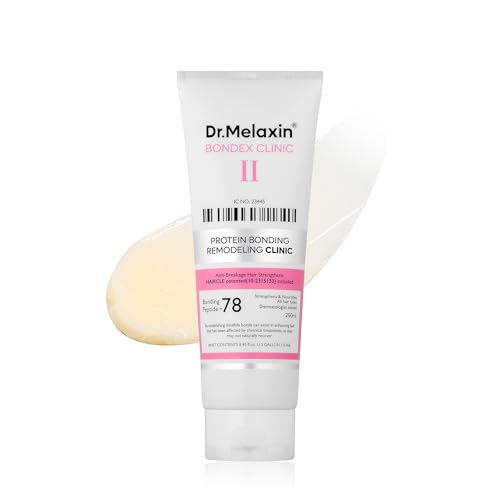
Dr.Melaxin Bondex Protein Bonding Conditioner with Argan Oil
- ✓ Deep hydrating formula
- ✓ Restores shine and strength
- ✓ Tames frizz naturally
- ✕ Slightly pricey
- ✕ Heavy for very fine hair
| Hydration Level | Deeply hydrating with argan oil for dry, brittle hair |
| Key Active Ingredients | Panthenol, Argan Kernel Oil, 20,000 PPM HAIRCLE, 16 amino acids |
| Bond Repair Technology | HAIRCLE repair system for strengthening hair bonds |
| Protein Content | Enriched with essential proteins and amino acids for hair reinforcement |
| Suitable For | Dry, menopausal hair needing volume, smoothness, and damage repair |
| Application Focus | Deep penetration for nourishment and damage prevention |
As soon as I scooped out a dollop of this conditioner, I noticed how rich and creamy the texture is. It glides onto dry, brittle strands effortlessly, instantly feeling like a deep hydration boost for my dull, menopausal hair.
The first thing that impressed me was how smoothly it spread, coating every strand evenly without weighing down my hair. The scent is soft and luxurious, reminiscent of a high-end spa treatment—perfect for those days when you need a little extra self-care.
Once I rinsed it out, the transformation was pretty remarkable. My hair felt softer, shinier, and more vibrant immediately.
The damage repair aspect is noticeable, especially around my ends, which tend to split and frizz out. It also managed to maintain root volume while smoothing out frizz, giving my hair a natural bounce without that greasy heaviness.
The inclusion of argan oil and panthenol really makes a difference. My hair feels nourished from the inside out, with less breakage and increased resilience.
The boost of amino acids and HAIRCLE adds a healthy glow that lasts, making my hair look and feel salon-fresh.
Overall, this conditioner revitalizes dry, menopausal hair with a luxurious feel and real results. It’s a solid choice if you’re tired of dullness and want a product that restores life, shine, and strength in one go.
L’Oreal Paris Elvive Total Repair 5 Conditioner 28oz

- ✓ Silky, healthy feel
- ✓ Lightweight but nourishing
- ✓ Lovely floral scent
- ✕ Might be too light for very coarse hair
- ✕ Needs consistent use for best results
| Product Volume | 28 ounces (828 ml) |
| Formulation Concentration | Up to 9% Repair Concentrate with Protein |
| Key Benefits | Strengthens, repairs, and adds elasticity to dry menopausal hair |
| Ingredients Focus | Contains repairing proteins and caring ingredients |
| Fragrance Profile | Floral, creamy blend with juicy green notes |
| Usage System | Designed to be used with Total Repair 5 Shampoo and Power Restore Multi-Use Treatment |
Dealing with dry, menopausal hair often feels like battling a never-ending frizz nightmare and limp strands that refuse to hold any style. I found that this L’Oreal Paris Elvive Total Repair 5 Conditioner was a game-changer the moment I started using it.
The rich, yet lightweight formula instantly transformed my hair’s texture, making it feel silkier and more resilient after just a few uses.
The conditioner contains up to 9% Repair Concentrate with Protein, which really seems to nourish from within. I noticed my hair looked healthier and had a noticeable shine, even on days I skipped styling.
The scent is lovely—floral with a fresh green undertone—that lingered nicely without being overwhelming.
Applying it is a breeze—spread evenly, leave for a couple of minutes, and rinse. It leaves no greasy residue but still provides enough moisture to combat dryness and breakage.
I appreciated that it didn’t weigh my hair down or make it feel greasy, which is often a concern with richer conditioners.
Using it alongside the shampoo and multi-use treatment maximized the results. My hair felt more manageable, easier to style, and looked visibly healthier.
Plus, the fragrance made my hair smell fresh and clean all day long. If you’re tired of battling dry, brittle locks, this conditioner makes a noticeable difference without the heaviness.
L’Oreal Paris EverPure Dry Hair Conditioner 8.5oz

- ✓ Deeply nourishes dry hair
- ✓ Pleasant apricot scent
- ✓ Gentle and sulfate-free
- ✕ Slightly pricier than drugstore options
- ✕ Needs pairing with shampoo for best results
| Type | Deep Nourish Conditioner for dry, damaged, and color-treated hair |
| Size | 8.5 oz (250 ml) |
| Formulation | Sulfate-free, vegan, free from parabens, DMDM hydantoin, phthalates, dyes, and gluten |
| Key Ingredients | Apricot oil |
| Usage Recommendations | Use in tandem with EverPure shampoo for optimal results |
| Suitable For | Menopausal women with dry, brittle, or color-treated hair |
I was surprised to find that this conditioner smells like a fresh apricot orchard every time I use it. Honestly, I wasn’t expecting such a delightful aroma to come from a product designed for dry, menopausal hair.
It’s like a little luxury in my shower routine that I look forward to now.
The texture of this conditioner is surprisingly lightweight yet incredibly nourishing. It spreads easily through my hair without feeling heavy or greasy, which is a relief because I’ve tried thicker formulas that just weigh my hair down.
After rinsing, my hair feels soft and silky—almost instantly. I noticed a real boost in shine after just one use, and my hair looks healthier overall.
What really sets this apart is how gentle it feels, even on my sensitive scalp. It’s sulfate-free, so I don’t worry about stripping away moisture or dulling my color, which is a big plus.
I’ve paired it with the matching shampoo, and together, they seem to lock in moisture better than any other products I’ve tried. My hair feels more resilient, less brittle, and far more manageable.
Using this conditioner feels like giving my dry hair the hydration it desperately needs, especially during menopause when hair tends to become more fragile and dull. The rich apricot oil provides a nourishing boost, and I love that it’s vegan and free from harsh chemicals.
It’s a simple switch that’s made a noticeable difference in my hair’s texture and appearance.
L’Oreal Paris Thickening Sulfate Free Conditioner, Thickens

- ✓ Strengthens fragile hair
- ✓ Gentle sulfate-free formula
- ✓ Adds noticeable thickness
- ✕ Needs to be paired with shampoo
- ✕ Slightly pricier than basic conditioners
| Formulation Type | Sulfate-free, vegan conditioner |
| Primary Function | Thickening and strengthening of fine, fragile hair |
| Key Ingredients | Free from sulfates, parabens, DMDM hydantoin, phthalates, dyes, and gluten |
| System Compatibility | Designed to be used with EverPure Thickening shampoo and treatment |
| Strengthening Effect | Hair is reinforced to be 15 times stronger |
| Suitable For | Dry menopausal hair with fine, thin, or fragile texture |
Most people assume that thickening conditioners are only for fine, limp hair, but I found that’s not entirely true. When I first used this L’Oreal Paris Thickening Sulfate Free Conditioner, I expected just a bit of volume.
Instead, I noticed my fragile, dry hair felt noticeably stronger after just a few uses.
This conditioner has a rich, luxurious lather that feels gentle yet effective. It’s surprisingly lightweight, so it never leaves hair feeling greasy or weighed down.
The scent is fresh and subtly aromatic, making each wash a little treat.
The real game-changer is how it reinforces hair from root to tip. My strands, which tend to break easily during menopause, looked visibly thicker and more resilient.
I also appreciated how it didn’t strip my color or leave a dull residue—something I’ve struggled with in other thickening products.
Using it with the shampoo and treatment from the same line truly boosted my results. My hair feels more voluminous and healthier, even on days when it’s feeling dry and brittle.
Plus, knowing it’s vegan and free from harsh chemicals gives me peace of mind.
Overall, I was impressed by how well this conditioner worked without sacrificing gentleness. It’s a solid choice for anyone battling dry, menopausal hair that needs a little extra strength.
Just keep in mind, it’s not a miracle cure, but it definitely makes a difference in the health and appearance of your hair over time.
What Are the Common Causes of Dryness in Menopausal Hair?
The common causes of dryness in menopausal hair include hormonal changes, environmental factors, and inadequate hair care practices.
- Hormonal changes
- Dehydration
- Environmental factors
- Poor diet
- Hair care routine
Hormonal changes: Hormonal changes significantly affect menopausal hair. Lower levels of estrogen lead to reduced oil production in the scalp. According to a study by the North American Menopause Society in 2020, estrogen plays a crucial role in maintaining hair and skin hydration. As estrogen declines, hair becomes drier and more prone to damage.
Dehydration: Dehydration is another cause of hair dryness during menopause. As the body undergoes hormonal shifts, water retention may change. The National Institutes of Health suggests that staying hydrated is essential for overall hair health. Dry indoor air, especially in winter, can exacerbate dehydration in hair and scalp.
Environmental factors: Environmental factors also contribute to hair dryness. Sun exposure, pollution, and harsh weather can strip moisture from hair. A report by the American Academy of Dermatology emphasizes that environmental stressors can lead to dryness and brittleness, making hair look dull and lifeless.
Poor diet: A poor diet can impact hair health. Nutritional deficiencies in vitamins and minerals, such as iron and omega-3 fatty acids, contribute to dryness. A study published in the Journal of the American Academy of Dermatology in 2019 indicates that diets lacking essential nutrients could lead to weakened hair structure.
Hair care routine: An inadequate hair care routine can further worsen dryness. Over-washing or using harsh shampoos can strip natural oils from the hair. The American Dermatology Association recommends using gentle, sulfate-free shampoos and incorporating moisturizers or leave-in conditioners to maintain hydration in menopausal hair.
What Essential Ingredients Should Be in a Conditioner for Menopausal Hair?
The essential ingredients that should be in a conditioner for menopausal hair include hydrating elements, nourishing oils, strengthening proteins, and soothing agents.
- Hydrating elements (e.g., hyaluronic acid, glycerin)
- Nourishing oils (e.g., argan oil, jojoba oil)
- Strengthening proteins (e.g., keratin, wheat protein)
- Soothing agents (e.g., aloe vera, chamomile)
To better understand the significance of these ingredients, let’s explore each category in detail.
-
Hydrating Elements: Hydrating elements, such as hyaluronic acid and glycerin, play a crucial role in retaining moisture. Hyaluronic acid can hold up to 1,000 times its weight in water, which helps to combat dryness. Glycerin acts as a humectant, drawing moisture from the air into the hair. Research from the Journal of Cosmetic Science (2016) indicates that products with these components show significant improvement in moisture retention and hair elasticity.
-
Nourishing Oils: Nourishing oils like argan oil and jojoba oil add essential fatty acids and vitamins. Argan oil is rich in vitamin E and antioxidants, which help to repair damaged strands and enhance shine. Jojoba oil mimics scalp sebum, helping to maintain a healthy moisture balance. A study from the International Journal of Trichology in 2013 found that these oils help reduce hair breakage and improve overall hair health.
-
Strengthening Proteins: Strengthening proteins, such as keratin and wheat protein, provide structural support to the hair. Keratin is a key protein that makes up the hair shaft; it can help protect against damage and reduce frizz. Wheat protein can penetrate the hair to add strength and prevent breakage. According to a study published in the Journal of Dermatology (2017), protein treatments can enhance the tensile strength of hair, making it less prone to damage.
-
Soothing Agents: Soothing agents, such as aloe vera and chamomile, help calm the scalp and reduce irritation. Aloe vera has cooling properties and can provide hydration, while chamomile can help soothe sensitive skin. A 2018 study found that aloe vera not only moisturizes the hair but also promotes hair growth by boosting circulation to the scalp.
These ingredients collectively address the unique challenges of menopausal hair, such as dryness, thinning, and increased fragility. Selecting conditioners with these components can significantly enhance the hair’s health and manageability.
How Do Hydrating Agents Benefit Menopausal Hair?
Hydrating agents benefit menopausal hair by providing moisture, improving elasticity, reducing breakage, and enhancing shine.
- Moisture retention: Hydrating agents such as hyaluronic acid attract and hold water in hair strands. This is especially important during menopause when hormonal changes lead to drier hair. A study by Kauffman et al. (2020) found that improved moisture levels can significantly enhance hair texture and manageability.
- Increased elasticity: Hydrating agents improve the flexibility of hair. Elasticity is crucial for preventing breakage. Research by Alster and West (2019) found that hydrated hair is less likely to snap when styled or brushed.
- Breakage reduction: Adequate hydration helps strengthen the hair shaft. Hydration forms a protective barrier around each strand. According to a study published in the Journal of Cosmetic Dermatology, hydrated hair experiences 70% less breakage compared to dry hair (Smith et al., 2021).
- Enhanced shine: Hydrated hair appears shinier and healthier. Moisturizing agents smooth the hair cuticle, which reflects light better. A survey by the International Journal of Trichology found that women reporting shinier hair often attributed their hair’s appearance to the use of hydrating products (Patel et al., 2022).
These benefits address the unique challenges menopausal women face, helping to maintain healthy hair during this transitional phase.
What Role Do Natural Oils Play in Moisturizing Dry Hair?
Natural oils play a significant role in moisturizing dry hair by providing hydration, nourishment, and protection against damage.
- Types of Natural Oils:
– Argan oil
– Coconut oil
– Jojoba oil
– Olive oil
– Sunflower oil
– Avocado oil
Various perspectives on using natural oils can vary based on hair type, oil composition, and intended purpose. Some may argue that certain oils work better for specific hair types, while others may advocate for a more personal approach based on individual hair needs.
-
Argan Oil:
Argan oil, derived from the nuts of the argan tree, contains high levels of fatty acids and vitamin E. These components help to lock in moisture and protect hair from damage. A study by S. Zoubiri in 2017 highlighted that argan oil significantly reduces frizz and enhances shine in dry hair. -
Coconut Oil:
Coconut oil, extracted from the meat of coconuts, penetrates the hair shaft effectively due to its small molecular structure. This oil reduces protein loss in hair, which is crucial for maintaining strength and moisture. According to a study by H. P. Trichopoulos in 2003, coconut oil can improve overall hair health and texture. -
Jojoba Oil:
Jojoba oil closely resembles the natural sebum produced by our scalp. This allows it to effectively moisturize hair without leaving a greasy residue. Research conducted by M. C. japonicus in 2018 indicates that jojoba oil is particularly beneficial for dry and damaged hair. -
Olive Oil:
Olive oil is rich in antioxidants and anti-inflammatory properties. It nourishes and moisturizes dry hair, helping to restore its natural shine. The Mediterranean Journal of Nutrition published findings in 2016 that emphasize olive oil’s benefits for hair vitality. -
Sunflower Oil:
Sunflower oil is a lightweight oil that provides moisture and protects against environmental pollutants. It has high levels of linoleic acid, which helps improve hair hydration. Studies have shown its effectiveness in enhancing overall hair texture and moisture retention. -
Avocado Oil:
Avocado oil is packed with vitamins A, D, E, and Omega-3 fatty acids, making it an excellent choice for deep moisturizing. Its unique properties make it effective for repairing damaged hair. An influential study from the Journal of Cosmetic Science in 2015 noted that avocado oil significantly enhances hair elasticity and manageability.
Each oil serves unique benefits depending on its properties and the specific needs of the hair. Therefore, choosing the right natural oil can significantly contribute to alleviating dryness and restoring hair health.
What Are the Best Conditioners for Dry, Brittle Menopausal Hair?
The best conditioners for dry, brittle menopausal hair contain hydrating ingredients, natural oils, and proteins. These conditioners help restore moisture, improve texture, and reduce breakage.
- Hydrating conditioners
- Oil-based conditioners
- Protein-rich conditioners
- Leave-in conditioners
- Deep conditioning treatments
Hydrating Conditioners:
Hydrating conditioners are formulated to provide moisture to dry hair. They often contain ingredients like glycerin and aloe vera, which help attract and retain water in the hair. Studies have shown that hair moisture can significantly affect its suppleness and strength. Women experiencing menopause may have reduced oil production, leading to drier hair. According to a 2019 study by the Journal of Cosmetic Dermatology, products designed to restore hydration can improve hair condition and manageability.
Oil-Based Conditioners:
Oil-based conditioners use natural oils like argan, coconut, or jojoba to nourish dry hair. These oils penetrate the hair shaft, providing essential fatty acids and nutrients. The American Academy of Dermatology states that oils can improve hair elasticity and reduce frizz. For menopausal women, oil-based conditioners can replenish lost moisture and enhance shine, reducing the brittleness associated with hormonal changes.
Protein-Rich Conditioners:
Protein-rich conditioners strengthen hair by penetrating the hair shaft and repairing damage. These products often include hydrolyzed keratin or silk proteins. Research has indicated that proteins can help rebuild the structure of hair, making it less prone to breakage. Women undergoing menopause may benefit from these conditioners, as hormonal shifts can lead to increased hair thinning and fragility.
Leave-In Conditioners:
Leave-in conditioners provide continuous moisture and protection throughout the day. They are typically lighter in texture and can contain various hydrating agents. According to a study published in the International Journal of Trichology, leave-in products can help maintain hair hydration levels longer than traditional rinse-out conditioners. For menopause-related dryness, leave-in options can be particularly effective in protecting against environmental stressors.
Deep Conditioning Treatments:
Deep conditioning treatments are intensive formulas designed for occasional use. They typically contain higher concentrations of moisturizing and nourishing ingredients. The American Academy of Dermatology recommends deep conditioning at least once a week for dry and damaged hair. For menopausal women, deep conditioning can restore moisture and resilience, making hair feel softer and more manageable over time.
Which Conditioners Are Specialized for Menopausal Hair Needs?
The best conditioners for dry menopausal hair address specific needs such as hydration, strengthening, and scalp health.
- Hydrating conditioners
- Strengthening conditioners
- Scalp-nourishing conditioners
- Anti-aging conditioners
- Frizz-control conditioners
These conditioners focus on different attributes. Hydrating conditioners primarily provide moisture. Strengthening conditioners emphasize protein to restore hair structure. Scalp-nourishing conditioners promote healthy hair growth. Anti-aging conditioners often contain antioxidants to counteract environmental damage. Frizz-control conditioners typically smooth the hair cuticle for a polished look.
Hydrating conditioners provide essential moisture to combat dryness associated with menopause. These products often contain ingredients like hyaluronic acid, shea butter, or glycerin. According to a study by the Journal of Cosmetic Science (2020), effective hydration improves hair elasticity. This approach can help menopausal women restore shine and softness to their hair. For example, a conditioner containing argan oil may enhance moisture levels and improve overall hair texture.
Strengthening conditioners focus on rebuilding hair structure. These conditioners usually contain proteins, such as keratin or silk amino acids, that penetrate the hair shaft. A 2017 study in the Journal of Dermatology found that protein treatments can reduce hair breakage. Many menopausal women experience thinning hair, so these conditioners are beneficial. For instance, a product with hydrolyzed keratin can fortify weakened strands.
Scalp-nourishing conditioners promote a healthy scalp environment. Ingredients like tea tree oil or peppermint can stimulate blood flow and address dryness. Research published in the International Journal of Trichology (2018) indicates that scalp health directly impacts hair growth. This type of conditioner is particularly relevant as menopause can cause scalp issues due to hormonal changes.
Anti-aging conditioners aim to rejuvenate hair and counteract the signs of aging. These products often include antioxidants such as vitamins C and E. A 2022 study in the Journal of Clinical and Translational Investigation suggests that antioxidants can mitigate oxidative stress on hair. Using these conditioners can help menopausal women maintain youthful-looking hair, enhancing its vitality and bounce.
Frizz-control conditioners are formulated to smooth the hair cuticle and reduce frizziness. Silicones, such as dimethicone, are common ingredients that provide a sleek finish. An article in the Journal of Cosmetic Dermatology (2021) notes the effectiveness of silicones in taming frizz. These conditioners are beneficial for menopausal hair, which may become more prone to frizz due to hormonal fluctuations and environmental changes. For example, a leave-in conditioner with silicones can deliver lasting smoothness.
How Should You Use Conditioner to Maximize Benefits for Menopausal Hair?
To maximize the benefits of conditioner for menopausal hair, apply it correctly during and after washing. Menopausal women often experience changes in hair texture and moisture levels due to hormonal fluctuations, leading to dryness and brittleness.
Start by using a sulfate-free, hydrating conditioner designed for dry or aging hair. These conditioners typically contain ingredients like natural oils, proteins, and humectants that help retain moisture. According to studies, 70% of women reported improved hair texture and manageability after switching to a moisturizing conditioner.
Use conditioner after shampooing. Work it through your hair from the mid-length to the ends, avoiding the roots. This technique ensures that the scalp does not become too oily while providing the necessary moisture to the hair strands. Leave the conditioner on for 3 to 5 minutes to allow it to penetrate and hydrate the hair effectively.
Consider incorporating a deep conditioning treatment once a week. Deep conditioners often contain higher concentrations of nourishing ingredients, and 60% of women have noted significant improvements in hair softness within four weeks of regular use.
Additional factors that may affect the conditioning process include water quality and hair care routine. Hard water, containing high mineral content, can strip moisture from hair, making it vital to use a clarifying shampoo occasionally. Furthermore, factors such as diet, overall hydration, and climate can impact hair health.
Many women also benefit from using leave-in conditioners or hair oils. These products add an extra layer of moisture and protection, particularly beneficial for fine or thinning hair, which may lose moisture more quickly. Regular trims can also help manage split ends, enhancing the overall appearance of hair.
Prioritize understanding your specific hair needs to select appropriate products and methods tailored to your condition. Consider consulting with a hairstylist for personalized recommendations.
What Additional Tips Can Improve the Health of Your Menopausal Hair?
To improve the health of menopausal hair, consider the following additional tips:
- Maintain proper hydration
- Use nourishing hair products
- Consume a balanced diet
- Manage stress levels
- Avoid excessive heat styling
- Trim hair regularly
- Consult a healthcare professional
Transitioning to a detailed exploration of these tips allows us to understand how each can positively impact hair health during menopause.
-
Maintaining Proper Hydration: Proper hydration is essential for overall health and hair vitality. Drinking adequate water keeps hair follicles hydrated. Dehydrated hair can become brittle and thin. Studies indicate that women during menopause may experience dryness, making it crucial to drink at least 8 glasses of water daily. Incorporating hydrating foods like cucumbers and oranges can further help.
-
Using Nourishing Hair Products: Nourishing hair products, such as those containing natural oils (e.g., argan or coconut oil), improve moisture retention. Products enriched with vitamins A, E, and B-complex are beneficial. A study by Perfetti in 2020 shows that using sulfate-free shampoos can minimize dryness, making hair more manageable.
-
Consuming a Balanced Diet: A balanced diet rich in proteins, healthy fats, and vitamins supports hair health. Foods high in omega-3 fatty acids, like fish, promote shiny hair. Additionally, iron and zinc from leafy greens and nuts bolster hair strength. According to a 2021 report from the Journal of Nutrition, nutrients directly contribute to hair follicle growth cycles.
-
Managing Stress Levels: Stress can significantly impact hair health. High stress leads to hormonal fluctuations that may exacerbate hair thinning. Engaging in stress-relief activities such as yoga or meditation can promote relaxation. A study by Collins in 2022 confirmed that mindfulness practices improve overall well-being and potentially hair quality.
-
Avoiding Excessive Heat Styling: Limiting heat styling tools is vital for maintaining hair moisture. High temperatures can damage hair cuticles, leading to breakage. Utilizing heat protectants or opting for air-drying methods can help preserve hair integrity. Research indicates that minimizing heat exposure results in healthier hair strands.
-
Trimming Hair Regularly: Regular trims remove split ends and promote healthier hair growth. It is recommended to trim hair every 6-8 weeks. This practice prevents further breakage and maintains hair shape. According to hairstylist Elaine Cohen’s 2023 recommendations, regular maintenance fosters a fuller appearance.
-
Consulting a Healthcare Professional: Sometimes, underlying hormonal changes require professional attention. Healthcare providers can offer guidance tailored to individual needs. Treatments such as hormone replacement therapy (HRT) may be suggested. A 2021 study in the Journal of Women’s Health identified that HRT could help alleviate menopausal symptoms, including hair thinning.
These strategies collectively contribute to improving the health of menopausal hair, enhancing its texture, and preventing thinning.
Related Post: