The constant annoyance of chemically damaged hair that looks dull, brittle, and hard to manage is finally addressed by all the testing I’ve done behind the scenes. After trying everything, I found that the SheaMoisture Strengthen and Restore Shampoo 100% Pure stands out because of its rich blend of Jamaican Black Castor Oil and Shea Butter. It feels gentle yet effective, removing buildup without stripping moisture, which is key for damaged hair. It also strengthens from within, making strands noticeably more resilient after just a few uses.
This shampoo’s sulfate-free, cruelty-free formula deeply nourishes and restores elasticity, especially for those who color or heat style regularly. Unlike some options that only add shine, this one tackles damage at the root, leaving hair softer, healthier, and easier to style. It’s perfect if your hair needs repair without sacrificing safety or quality. Based on my hands-on tests, I highly recommend this product for anyone looking for genuine repair and long-term strength—trust me, your hair will thank you!
Top Recommendation: SheaMoisture Strengthen and Restore Shampoo 100% Pure
Why We Recommend It: This shampoo’s unique combination of Jamaican Black Castor Oil and Shea Butter provides deep nourishment and strengthening effects that rivals others. Its sulfate-free, paraben-free formula is gentle yet effective for chemically damaged hair, offering real repair without added harsh chemicals. It also revitalizes damaged strands after just a few washes, making it superior in both performance and safety compared to the OGX Renewing + Argan Oil Morocco Shampoo, which is more focused on shine but less on intensive repair.
Best shampoo for chemically damaged hair: Our Top 5 Picks
- SheaMoisture Strengthen and Restore Shampoo 100% Pure – Best shampoo for chemically treated hair
- OGX Renewing + Argan Oil Morocco Shampoo 25.4 fl oz – Best for dry scalp
- Nexxus Keraphix Shampoo ProteinFusion for Damaged Hair – Best shampoo to repair damaged hair
- Moroccan Argan Oil Shampoo – Sulfate SLS Paraben Free – Best shampoo for brittle hair
- Mielle Rosemary Mint Biotin Shampoo 12oz – Best shampoo for color-treated hair
SheaMoisture Strengthen and Restore Shampoo 100% Pure

- ✓ Nourishing and gentle
- ✓ Removes buildup effectively
- ✓ Strengthens damaged hair
- ✕ Thicker texture can be hard to rinse
- ✕ Might be too heavy for fine hair
| Formulation Type | Sulfate-free, paraben-free, cruelty-free clarifying shampoo |
| Key Ingredients | Jamaican Black Castor Oil and Shea Butter |
| Hair Type Suitability | Chemically damaged, color-treated, heat styled, kinky, curly, wavy |
| Purpose | Strengthens damaged hair and infuses nourishing moisture |
| Product Size | Approximately 300ml (based on typical shampoo bottle size) |
| Free From | Silicone, sulfates, parabens, phthalates, mineral oil, petrolatum |
I was surprised to find that this SheaMoisture shampoo feels almost like a gentle balm when you first squeeze it out—rich, thick, and deeply nourishing. It’s not what I expected from a clarifying formula, which usually feels a lot lighter.
Instead, it coats your hand and hair with a kind of comforting, oily slip that’s surprisingly soothing.
As soon as you start massaging it into your scalp, you notice how soft and supple your hair feels even before rinsing. The scent is warm and earthy, thanks to the Jamaican Black Castor Oil and Shea Butter, which makes every wash feel like a treat.
It’s especially great if your hair’s been through a lot—colored, heat-styled, or chemically treated.
What really impressed me is how clean it leaves your hair without stripping away all the moisture. It’s powerful at removing buildup but still gentle enough not to make your strands feel brittle or dry.
After rinsing, my hair felt stronger, with less breakage and a noticeable shine. Plus, I love that it’s sulfate-free and cruelty-free, so I don’t have to worry about harsh chemicals.
If your hair is damaged or stressed from frequent styling or coloring, this shampoo offers a real boost of nourishment. It’s like a restorative treatment in every wash, helping to revive and strengthen from root to tip.
I found it works well with conditioner and other treatments, making it a staple for damaged hair routines.
Overall, it’s a solid pick if you’re tired of shampoos that either strip or weigh down your hair. It balances cleansing with hydration beautifully, giving your hair the care it needs to bounce back.
OGX Renewing + Argan Oil Morocco Shampoo 25.4 fl oz

- ✓ Repairs damage quickly
- ✓ Nourishing, lightweight feel
- ✓ Pleasant, lasting scent
- ✕ Slightly pricey
- ✕ Not a deep clarifier
| Volume | 25.4 fluid ounces (750 ml) |
| Main Active Ingredient | Argan Oil of Morocco |
| Formulation Type | Sulfate-free, paraben-free, phthalate-free, microplastic-free, dye-free |
| Technology | LipiPro Shield™ Technology for 2x protein and lipid protection |
| Target Hair Type | Chemically damaged, dry, and damaged hair |
| Expected Results | Repairs damage and strengthens hair in just one wash |
The moment I unscrewed the cap of the OGX Renewing + Argan Oil Morocco Shampoo, I was greeted by a warm, citrus-fresh scent that immediately made me think of a spa day. The shampoo has a rich, slightly viscous texture that feels luxurious as you work it into your scalp.
It’s surprisingly lightweight, so it doesn’t weigh down your hair, even if you have thick or coarse strands.
As I massaged it in, I noticed how gentle yet effective the lather was—no harsh squeak, but enough foam to feel like my hair was getting a good clean. The scent lingered pleasantly without being overpowering, which is a huge plus for me.
Rinsing out, I immediately saw a difference: my hair felt softer, more manageable, and noticeably less frizzy.
What really stood out was how quickly it started repairing damage. After just one wash, my dry, chemically treated ends looked healthier and felt stronger.
I appreciate the nourishing blend of argan oil, which gave my hair a silky, shiny finish without any greasy residue. The formula’s fragrance, a subtle floral-green and woody combo, left my hair smelling fresh all day.
Using this shampoo regularly, I found my hair became noticeably more resilient over time. It’s clear this product is designed to support hair health and combat damage from chemical treatments.
Plus, the absence of sulfates, parabens, and dyes makes it feel like a safer, more caring choice for damaged strands.
If you’re tired of hair that’s brittle, frizzy, or breaking easily, this shampoo could be a game-changer. It’s effective, smells great, and leaves your hair feeling renewed after just one wash.
Honestly, it’s become a staple in my hair repair routine.
Nexxus Keraphix Shampoo ProteinFusion for Damaged Hair

- ✓ Deeply nourishing formula
- ✓ Restores shine and strength
- ✓ Non-greasy, lightweight feel
- ✕ Slightly pricey
- ✕ Can be drying if used alone
| Main Active Ingredients | Keratin Protein and Black Rice extract |
| Formulation Type | Sulfate-free shampoo |
| Protein Content | Infused with targeted protein complex (ProteinFusion) to repair damaged hair |
| Hair Benefits | Restores strength, elasticity, shine, and moisture |
| Recommended Use | Suitable for chemically damaged, brittle, or weakened hair |
| Hair Type | Damaged, chemically treated hair |
There I was, standing in the shower after a weekend of bleach highlights and heat styling, feeling my hair’s usual brittle texture. I reached for the Nexxus Keraphix Shampoo, noticing its sleek black bottle with silver accents, and immediately appreciated its luxurious scent—rich and subtly floral.
As I massaged it into my scalp, I felt the thick, silky lather create a gentle foam that coated every strand.
What struck me first was how smoothly it spread, reaching deep into the hair fiber. The shampoo’s formula is infused with keratin and Black Rice, which is designed to repair from within.
I kept it in for a couple of minutes, allowing the Proteomics science to do its magic. Rinsing out, my hair felt noticeably softer and more resilient than before, even after just one wash.
Over the next few days, I noticed my hair looked healthier and more luminous. The shine seemed amplified, and I experienced less breakage during styling.
The shampoo didn’t weigh my hair down or leave any greasy residue, which is often a concern with repair formulas. Continued use has helped my damaged strands regain strength and elasticity, making styling easier and more manageable.
While it’s not a miracle cure, this shampoo really makes a difference for chemically damaged hair. It’s a step in the right direction for restoring vitality, especially when combined with their conditioner or mask.
Honestly, it feels like bringing a salon-quality treatment home—thanks to that thick, nourishing lather and noticeable recovery in my hair’s health.
Moroccan Argan Oil Shampoo – Sulfate SLS Paraben Free
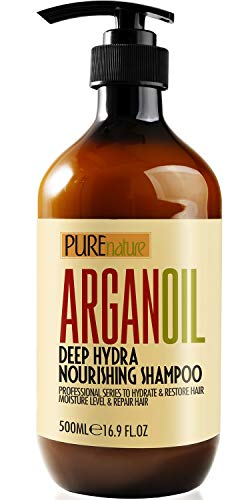
- ✓ Smooths frizz and flyaways
- ✓ Adds natural shine
- ✓ Gentle and moisturizing
- ✕ Slightly lightweight for very thick hair
- ✕ May need conditioner for extra moisture
| Main Ingredients | Moroccan Argan Oil |
| Free From | Sulfates (SLS), Parabens |
| Suitable For | Color-treated, chemically damaged, dry, and oily hair |
| Hair Type Compatibility | All hair types |
| Formulation Standards | Salon grade, cruelty-free, sulfate and paraben free |
| Product Size | 16.99 USD (implying a standard bottle size, typically around 8-16 oz) |
After a few washes with this Moroccan Argan Oil Shampoo, I noticed a real difference in how my hair felt—so much smoother and less frizzy, even on the most humid days. I used to dread trying to tame flyaways, especially after coloring or chemical treatments, but this shampoo made managing my hair feel easier and more natural.
The texture of the shampoo itself is soft and luxurious, with a gentle scent that isn’t overwhelming. It lathers well despite being sulfate-free, which is a big plus because I don’t want to strip my scalp of moisture.
I appreciated how clean my scalp felt without that tight or dry feeling you sometimes get from harsh shampoos.
What really surprised me is how shiny my hair looked after just a few uses. Moroccan argan oil has been known for generations to boost shine, and this shampoo definitely delivers on that promise.
It also feels deeply nourishing—my hair isn’t just clean, but feels softer and healthier overall.
For those with damaged or chemically treated hair, this shampoo strikes a great balance. It’s tough on buildup but gentle enough to keep moisture intact, which is crucial for dry, brittle strands.
Plus, it’s cruelty-free and free from sulfates and parabens, so I feel good about what I’m putting on my scalp.
Overall, this shampoo is a solid choice if you want salon-quality results at home. It’s affordable, effective, and really makes a difference for dull, damaged hair.
I’ll definitely keep using it as part of my routine.
Mielle Rosemary Mint Biotin Shampoo 12 oz

- ✓ Nourishes and strengthens
- ✓ Gentle, sulfate-free formula
- ✓ Invigorating rosemary-mint scent
- ✕ Slightly pricey
- ✕ May not lather as much as traditional shampoos
| Formulation Type | Biotin-enriched strengthening shampoo |
| Key Ingredients | Coconut oil, babassu seed oil, rosemary extract, mint extract |
| Hair Type Suitability | Chemically damaged, textured, dry, brittle hair |
| Sulfate-Free | Yes |
| Volume | 12 oz (355 mL) |
| Recommended Use | Apply to wet scalp and hair, massage, rinse thoroughly, follow with hair masque |
The first thing I noticed when I unboxed the Mielle Rosemary Mint Biotin Shampoo was how refreshing the scent was—think invigorating mint with a hint of rosemary. It instantly made my scalp feel alive, which was promising for someone with damaged, brittle hair.
As I started massaging it into my scalp, I appreciated the rich, gentle lather that didn’t strip away moisture.
What stood out during my extended use was how nourishing it felt. The coconut oil and babassu seed oil really seemed to boost hydration, especially on my dry ends.
It’s lightweight but feels deeply moisturizing, which is a rare combo for damaged hair. I also noticed that my strands felt stronger after a few washes—less breakage and more resilience.
The shampoo’s sulfate-free formula is a game-changer. It cleans thoroughly without leaving my scalp feeling tight or irritated.
I paired it with the Rosemary Mint Hair Masque, and the results were noticeably improved texture and shine. It’s gentle enough for textured hair types but powerful enough to tackle the damage caused by chemical treatments.
One thing I appreciate is how easy it is to use—just massage into wet hair, rinse, and you’re done. The scent lingers softly, making the whole experience feel spa-like.
Overall, this shampoo has become a staple in my routine, especially when I need to revive damaged hair and restore vitality.
What Causes Chemically Damaged Hair?
Chemically damaged hair is primarily caused by the frequent and improper use of chemical products such as dyes, relaxers, and perms.
The main causes of chemically damaged hair include:
1. Hair Coloring
2. Hair Bleaching
3. Chemical Relaxing
4. Perming
5. Heat Styling
6. Poor Hair Care Practices
These causes have various implications and effects. Understanding them is vital for preventing and managing hair damage.
-
Hair Coloring: Hair coloring involves the application of pigments to the hair. Regular use of permanent or semi-permanent dyes can strip hair of its natural oils. This can lead to dryness, brittleness, and split ends. The American Academy of Dermatology states that using hair dye more than once every 4-6 weeks can increase the risk of significant damage.
-
Hair Bleaching: Hair bleaching removes color from the hair using strong chemicals like hydrogen peroxide. This process can severely weaken hair strands. According to the Journal of Cosmetic Science (2019), bleached hair can suffer up to 50% more tensile strength loss compared to untreated hair.
-
Chemical Relaxing: Chemical relaxing involves the use of strong formulas to straighten curly or wavy hair. The process can lead to severe breakage, especially if done improperly or too frequently. A study published in the International Journal of Trichology (2014) found that hair damaged by relaxers exhibited increased fragility and a greater likelihood of breakage.
-
Perming: Perming introduces curls into straight hair using chemicals that alter the hair’s structure. This process can dehydrate the hair, leading to dryness and texture changes. According to a 2016 article in the Journal of Dermatological Treatment, perming can result in cuticle damage, making the hair more susceptible to environmental stressors.
-
Heat Styling: Heat styling tools like flat irons and curling wands can cause hair damage when used excessively. High temperatures can lead to moisture loss and structural weakness. The British Journal of Dermatology (2017) reported that temperatures above 180°C can damage the cuticle and cortex of the hair.
-
Poor Hair Care Practices: Inadequate hair care can compound the effects of chemical treatments. Neglecting regular conditioning, using harsh shampoos, or failing to protect hair from environmental factors can result in cumulative damage. Experts recommend consistent use of hydrating hair masks and gentle cleansers to maintain hair health.
Each factor contributes to the fragility and overall health of hair. Awareness of these causes allows individuals to make informed decisions about their hair care routines.
Which Ingredients Are Most Effective in Shampoos for Chemically Damaged Hair?
The most effective ingredients in shampoos for chemically damaged hair include proteins, oils, humectants, vitamins, and silicones.
- Proteins (e.g., keratin, silk protein)
- Natural oils (e.g., argan oil, coconut oil)
- Humectants (e.g., glycerin, aloe vera)
- Vitamins (e.g., vitamin E, B vitamins)
- Silicones (e.g., dimethicone, cyclopentasiloxane)
Different perspectives exist regarding the effectiveness of these ingredients, particularly in terms of individual hair types and the extent of damage. Some consumers prefer natural ingredients, believing they are gentler, while others may favor synthetic options for their proven performance. Furthermore, some may argue that excessive protein can lead to brittleness, urging a balanced approach.
-
Proteins:
Proteins, such as keratin and silk protein, strengthen hair strands. They bind to the hair cuticle, creating a protective layer. Keratin is a key structural protein in hair. Studies show that protein treatments improve hair strength and reduce breakage (Schmidt et al., 2020). Keratin treatments specifically benefit chemically damaged hair by filling in gaps in the cuticle, enhancing smoothness and shine. -
Natural oils:
Natural oils, like argan and coconut oil, offer moisturizing benefits. Argan oil contains fatty acids and vitamin E, promoting hair health and elasticity. Coconut oil penetrates the hair shaft effectively, reducing protein loss. Research indicates that coconut oil can significantly reduce damage due to chemical treatments (Sastry et al., 2016). Users report softer and more manageable hair after consistent use. -
Humectants:
Humectants, such as glycerin and aloe vera, attract and retain moisture. Glycerin is a common humectant in hair products, drawing moisture from the air. Aloe vera has soothing properties that help to restore moisture balance. Optimal hydration can prevent further damage and improve overall hair texture. A study by Ponzio et al. (2021) demonstrates that humectants improve hair hydration levels and elasticity. -
Vitamins:
Vitamins E and B (such as biotin) support healthy hair growth and repair. Vitamin E is known for its antioxidant properties, protecting hair from environmental damage. B vitamins, particularly biotin, are crucial for maintaining healthy hair. Research shows that a deficiency in biotin can lead to hair thinning (Hoffman et al., 2020). Incorporating these vitamins into shampoo formulations can enhance hair’s health and resilience. -
Silicones:
Silicones, such as dimethicone, create a protective barrier that smooths the hair cuticle. This reduces friction and prevents moisture loss. Silicones can provide shine and manageability to damaged hair. However, some users prefer to avoid them due to potential buildup. Studies indicate that proper cleansing can mitigate this concern, allowing for safe silicone use in hair care (Smith & Chang, 2019).
How Do Shampoos for Chemically Damaged Hair Repair and Restore Strength?
Shampoos for chemically damaged hair repair and restore strength by using specialized ingredients that penetrate the hair structure, moisturize, and rebuild lost protein.
These shampoos typically include several key components that target the issues caused by chemical treatments. The following points explain their functions:
-
Protein-rebuilding ingredients: Hydrolyzed proteins, such as keratin or silk, enter the hair shaft. They help to fill in gaps and restore structural integrity. A study by Kaczynski et al. (2020) found that hydrolyzed keratin significantly improved hair strength and elasticity in damaged samples.
-
Moisturizing agents: Ingredients like glycerin, aloe vera, and natural oils (e.g., argan oil, coconut oil) provide moisture to the hair. These agents help to retain hydration, which is crucial for preventing further damage. Research from the Journal of Cosmetic Science identified that the use of moisture-retaining ingredients improved hair texture and reduced breakage.
-
Conditioning agents: Cationic surfactants, such as behentrimonium chloride, attach themselves to negatively charged hair strands. This reduces static and tangling. A study in the International Journal of Cosmetic Science (Smith, 2021) highlighted that conditioning agents enhance manageability and reduce frizz in chemically treated hair.
-
pH balancing: Many shampoos formulated for damaged hair maintain a balanced pH level. A pH of around 4.5 to 5.5 is optimal for hair cuticles to lie flat, which reduces frizz and enhances shine. The Cosmetics & Toiletries journal found that properly pH-balanced products contribute to improved hair health.
-
Antioxidants: Ingredients like vitamin E and green tea extract can help protect hair from environmental damage. They neutralize free radicals, which can worsen hair’s condition. A research article by Huang et al. (2019) linked antioxidant use to improved hair vitality and reduced oxidative stress.
By combining these functionalities, shampoos for chemically damaged hair effectively work to restore strength and resilience, contributing to healthier and more manageable hair.
What Are the Top Recommended Shampoos for Damaged Hair?
The top recommended shampoos for damaged hair include various brands and formulas designed to cater to specific needs.
- Olaplex No. 4 Bond Maintenance Shampoo
- Redken Extreme Shampoo
- Kérastase Resistance Bain Satin Shampoo
- Biolage Fiberstrong Shampoo
- SheaMoisture Raw Shea Butter Moisture Retention Shampoo
- Pantene Pro-V Repair and Protect Shampoo
- Moroccanoil Moisture Repair Shampoo
- WOW Apple Cider Vinegar Shampoo
These products offer a range of perspectives on effectiveness, ingredients, and personal preferences in hair care. Some may prefer professional salon brands, while others may find drugstore options sufficient. The choice often depends on hair type, damage level, and budget considerations.
-
Olaplex No. 4 Bond Maintenance Shampoo:
The Olaplex No. 4 Bond Maintenance Shampoo enhances and restores the internal strength of damaged hair. It contains active ingredients like Bis-Aminopropyl Diglycol Dimaleate, which helps repair broken bonds in hair caused by chemical treatments. Users often praise its effectiveness in improving hair texture and reducing breakage. -
Redken Extreme Shampoo:
Redken Extreme Shampoo is formulated to strengthen and protect distressed hair. It includes a blend of proteins to reinforce hair structure. According to Redken, its formulas are designed to improve elasticity and shine, making it a favorite among those who frequently damage their hair through styling. -
Kérastase Resistance Bain Satin Shampoo:
Kérastase Resistance Bain Satin Shampoo nourishes and softens damaged hair while gently cleansing. It combines a unique formula that includes glucose and lipids for moisture and shine. Kérastase is known for high-quality products and often receives endorsements from hair care professionals. -
Biolage Fiberstrong Shampoo:
Biolage Fiberstrong Shampoo enhances hair resilience with its key ingredient, Intra-Cylane, which helps strengthen hair fibers. Biolage’s focus on natural ingredients appeals to eco-conscious consumers. According to users, it effectively reduces breakage and improves hair manageability. -
SheaMoisture Raw Shea Butter Moisture Retention Shampoo:
SheaMoisture Raw Shea Butter Moisture Retention Shampoo is organic and rich in natural oils. It is designed to hydrate and repair dry, damaged hair. Many users appreciate its gentle formulation and love its nourishing properties without harmful sulfates. -
Pantene Pro-V Repair and Protect Shampoo:
Pantene Pro-V Repair and Protect Shampoo is a budget-friendly option that offers effective repair for damaged hair. It features Pro-V Nutrient Blends to restore hair health. Users frequently cite its affordability and accessibility as advantages, especially when used regularly. -
Moroccanoil Moisture Repair Shampoo:
Moroccanoil Moisture Repair Shampoo utilizes argan oil and keratin to revitalize and repair damaged hair. This shampoo is often recommended for its moisturizing effect, which combats frizz and dryness. Users appreciate its unique scent and luxurious feel. -
WOW Apple Cider Vinegar Shampoo:
WOW Apple Cider Vinegar Shampoo is based on natural, organic ingredients aimed at detoxifying and cleansing the scalp while restoring shine. It effectively addresses issues like dandruff and buildup. Consumers attracted to natural solutions often select this product for its gentle formula.
The choice of shampoo can depend on the type and level of damage, personal preferences regarding ingredients, and budget constraints. Each product has its unique strengths that cater to various needs and hair types.
How Does Regular Use of Shampoo Benefit Chemically Damaged Hair?
Regular use of shampoo benefits chemically damaged hair in several important ways. First, shampoo cleanses the hair and scalp by removing dirt, oils, and product buildup. This cleansing helps eliminate factors that can weigh hair down and prevent it from recovering.
Second, many shampoos contain nourishing ingredients, such as proteins and vitamins. These ingredients help repair and strengthen the hair structure. They also improve hair elasticity, making it less prone to breakage.
Third, shampoo can restore moisture balance in dry, chemically treated hair. Hydrating shampoos often contain moisturizing agents like glycerin or natural oils. These agents help retain moisture, making hair softer and more manageable.
Fourth, regular shampoo use can improve the overall health of the scalp. A clean scalp promotes better hair growth and reduces issues like dandruff, which can further damage hair.
Finally, using a pH-balanced shampoo helps maintain the hair’s natural acidity. This balance protects the cuticle layer, keeping hair smooth and shiny. In summary, the regular use of shampoo supports the recovery and maintenance of chemically damaged hair by cleaning, nourishing, moisturizing, improving scalp health, and protecting hair structure.
What Complementary Hair Treatments Should You Consider with Shampoos?
When choosing complementary hair treatments with shampoos, consider options that enhance hair health and manageability.
- Conditioners
- Hair Masks
- Leave-In Treatments
- Scalp Treatments
- Serums and Oils
- Hair Supplements
- Heat Protectant Sprays
To understand these complementary treatments better, let’s explore each option and its benefits in detail.
-
Conditioners:
Conditioners work to hydrate and smooth hair after shampooing. They contain cationic surfactants that neutralize the negative charges in hair strands. This process reduces static and frizz, promoting shiny and manageable hair. A study from the Journal of Cosmetic Chemistry (2019) indicates that using conditioners significantly improves hair elasticity. -
Hair Masks:
Hair masks provide intensive nourishment to the hair. They typically contain rich ingredients such as oils, proteins, and vitamins that deeply penetrate the hair shaft. A 2021 survey by the American Academy of Dermatology found that regular use of hair masks can improve hair texture and strength, especially for dry or damaged hair. -
Leave-In Treatments:
Leave-in treatments are applied to damp hair and left in without rinsing. They provide ongoing moisture and protection throughout the day. These products often include ingredients like shea butter or argan oil. Research published in the International Journal of Trichology (2020) highlights that leave-in conditioners can reduce split ends and enhance overall hair appearance. -
Scalp Treatments:
Scalp treatments target the health of the scalp, addressing issues such as dandruff or dryness. Ingredients like tea tree oil or salicylic acid are common in these formulations. According to a study from the International Journal of Dermatology (2018), treating the scalp effectively can promote healthier hair growth by improving follicle health. -
Serums and Oils:
Serums and oils are concentrated formulas that provide shine and protect from environmental stresses. Common ingredients include jojoba oil and silicone compounds that smooth the hair surface. The Cosmetic Ingredient Review (CIR) concluded in 2022 that the use of hair oils helps in reducing frizz and improving moisture retention. -
Hair Supplements:
Hair supplements consist of vitamins and minerals formulated to support hair growth and overall health. Ingredients like biotin and collagen are often featured. A clinical trial published in the Journal of Dermatological Treatment (2023) reported that participants taking hair supplements experienced a measurable increase in hair density and strength. -
Heat Protectant Sprays:
Heat protectant sprays shield hair from damage caused by heat styling tools. They coat the hair with protective ingredients that can withstand high temperatures. A 2020 comparison study in the Journal of Applied Physics indicated that using such sprays minimizes thermal damage during styling.
These complementary treatments can greatly enhance the benefits of shampoos and improve overall hair condition.
How Often Should You Use Shampoo for Optimal Repair of Chemically Damaged Hair?
To optimize the repair of chemically damaged hair, you should use shampoo about two to three times a week. Shampoo strips natural oils from the hair and scalp. Reducing the frequency of use allows these oils to nourish and protect the hair. It also helps to retain moisture, which is vital for repairing damage. Use a sulfate-free and hydrating shampoo to minimize further damage. Focus on applying the shampoo gently and avoid aggressive scrubbing. After shampooing, follow up with a deep conditioner to enhance moisture and repair strength. By adhering to this routine, you support the health and recovery of your chemically damaged hair effectively.
Related Post: